



Cumin Exporters
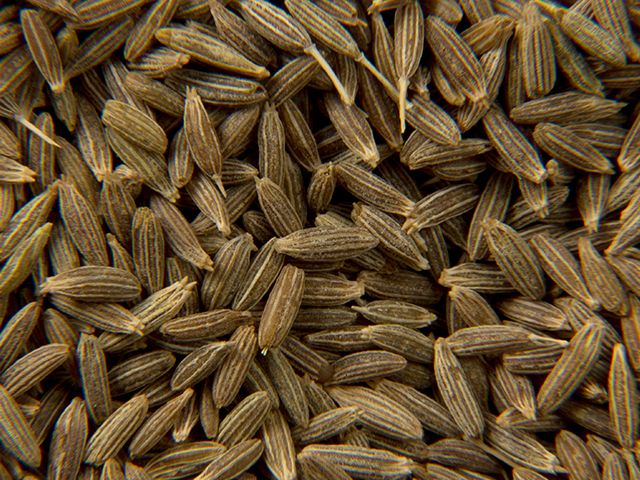
Cumin is a spice made from the dried seed of a plant from the parsley family known as Cuminum cyminum; the fruit of the plant is called the cumin seed. It is one of the most popular spices used in Latin American, Middle Eastern, North African, and Indian cuisines. Cumin is preferred for aiding digestion, immune system, and blood circulation. It contains anti-oxidants that keep your skin young and body energetic. When soaked in water and consumed, it can help treat diarrhea. It has anti-inflammatory effects and can help lower cholesterol. India is the largest producer of Cumin seeds in the world!
Kisan Agro is one of the leading Cumin suppliers and exporters all over the world.
Our cumin seed exports reach across continents, supplying over 50 countries such as the USA, UK, Germany, Russia, China, Brazil, Australia, Europe, Asia, South America, and the Middle East.






Specification
Country of Origin
India
Harvest Period
Winter Crop (Feb/Mar)
Color
Light Yellowish
Packaging
10 KG , 22.68 KG, 25 KG Multiwall Paper Bags; 1 MT Tote bags
Labeling
Private labeling as per buyers need
Shelf Life
24 Months from Production Date
GMO Status
GMO Free
Specification
Detailed Specification on Request
CONTAINER
- 20 Feet 13 MT
- 40 Feet 26 MT
Uses Cumin Seeds
Health Benefits of Cumin Seeds
- Widely used in global cuisines to add a warm, earthy flavour to curries, soups, stews, and rice dishes.
- Key ingredient in garam masala, taco seasoning, and other spice mixes.
- Often used in herbal teas or infused water for digestion.
- Used in Ayurveda and folk medicine for digestive discomfort, bloating, and cold relief.
- Helps in flavouring pickles and fermented foods.
- Stimulates digestive enzymes and reduces bloating.
- Supports healthy blood and prevents anaemia.
- Protects cells from free radical damage.
- Helps strengthen the body’s natural defences.
- May reduce inflammation in the gut and joints.
| Language | Local/Common Name for Cumin Seeds |
|---|---|
| English | Cumin seeds |
| Hindi | जीरा (Jeera) |
| German | Kreuzkümmel |
| Spanish | Comino |
| French | Cumin |
| Chinese (Mandarin) | 小茴香 (Xiǎo huíxiāng) |
| Russian | Тмин (Tmin) |
FAQs
The dried seeds of the Cuminum cyminum plant, which is grown without the use of artificial fertilizers, pesticides, or chemicals, are known as organic cumin seeds. They are used as a spice and for medicinal purposes, and they are certified under organic farming standards.
Cumin seeds provide several health benefits, including:
- Supporting digestion and reducing bloating
- Rich in antioxidants that protect cells from damage
- May improve blood sugar control
- Provide essential minerals like iron, magnesium, and calcium
- Boost immunity and metabolism
- Enhance flavor and aroma in cooking
Yes, you can eat moderate amounts of cumin seeds every day. For most adults, 1-2 teaspoons (5-10 grams) per day is deemed safe. However, sensitive people may experience heartburn or digestive discomfort from excessive consumption.
- Organic cumin (Cuminum cyminum): Light brown seeds, grown organically, commonly used in Indian, Middle Eastern, and global cuisines.
- Black cumin (Nigella sativa): Smaller black seeds, also known as kalonji, with a stronger, slightly bitter taste, used more for medicinal purposes.
- Both are different plants with distinct flavors and health properties.
Cumin seeds might help with weight management, yes. When paired with a healthy diet and regular exercise, they aid in better digestion, increase metabolism, and possibly aid in fat loss. Drinking jeera water, or cumin seed water, is a common natural weight-loss strategy.
High-quality organic cumin seeds can be purchased from Organic food suppliers and spice wholesalers or international exporters such as Kisan Agro, known for bulk supply of organic herbs and spices
