


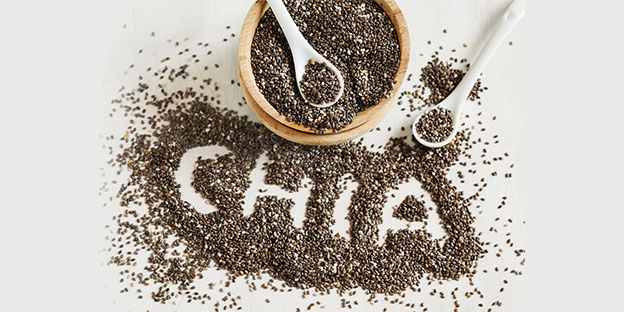
Tiny seeds. Big nutrition. The best way to describe chia seeds is by calling them a “superfood.” Once a staple for ancient Aztec warriors, they are now a modern superfood with a great deal of nutritional density as well as a wide variety of uses.
In this guide, we’ll outline the special qualities of chia seeds, their nutritional profile, their health benefits, and the easiest ways to incorporate chia seeds into your diet.
Nutritional Profile of Chia Seeds:
Chia seeds come from Salvia hispanica L., a desert plant native to Central America. These seeds are small, tasteless, and easy to add to almost any meal. It doesn’t require any additional cooking.
Nutrition Facts (per 1 oz / 28 g serving) –
| Nutrient | Amount | % Daily Value (Approx.) |
| Calories | ~138 kcal | — |
| Protein | ~4.5–5 g | 9% |
| Total Fat | ~8.5–9 g | 11% |
| Omega-3 (ALA) | ~5 g | — |
| Carbohydrates | ~12–13 g | 4% |
| Dietary Fiber | ~10–12 g | 40–45% |
| Calcium | ~177 mg | 18% |
| Magnesium | ~95 mg | 23% |
| Phosphorus | ~244 mg | 25% |
Why they matter:
Each spoonful provides a balanced blend of omega-3 fats, fiber, protein, and essential minerals. This makes chia one of the most nutrient-dense plant foods available. Making it ideal for vegetarian and vegan diets that need more omega-3 and calcium sources.
Major Health Benefits of Chia Seeds:
1. Heart and Cardiovascular Health –
Chia seeds are naturally rich in omega-3 fatty acids (or ALA). Along with omega-3, they contain a lot of fiber and antioxidants. This combination essentially works really well to maintain heart and cardiovascular health.
By including chia seeds in your daily diet, you can reduce inflammation in your body, balance your cholesterol levels, and maintain a normal blood pressure level. Moreover, the fiber and antioxidants make sure that your blood vessels function properly.
2. Digestive Health and Gut Function –
Chia seeds are about 40% fiber, making them among the highest sources of fiber available. Chia seeds have soluble and insoluble fibers. The soluble fiber in chia is converted into a gel in the intestinal tract, which helps the body pass stool effortlessly, while the insoluble fiber provides bulk to the stool. The combination of these two types of fiber keeps the digestive system healthy.
Consuming chia seeds regularly assists in maintaining healthy gut flora and regular bowel habits, thus providing an overall healthy digestive system.
3. Weight Management and Satiety –
As you already know, when you soak chia seeds, they expand. This natural swelling helps the stomach feel fuller for longer, thus cutting down the need to overeat or binge eat.
Additionally, chia has a small amount of protein, which helps sustain energy levels throughout the day (no sharp spikes in hunger).
4. Blood Sugar Regulation –
Chia provides a unique benefit in regulating blood sugar levels. It slows down the digestion and absorption of carbohydrates and will therefore produce a steadier glucose level. And over time, it improves insulin sensitivity in the body. This results in improved metabolic health and balanced energy throughout the day.
5. Bone and Mineral Health –
Chia is an excellent source of calcium, magnesium, and phosphorus — all three of which are essential for bone, tooth, and muscle health. For those who do not consume dairy, chia can be a valuable source of calcium and a natural method of supporting long-term bone health.
6. Antioxidant and Anti-Inflammatory Support –
Chia carries several natural antioxidants, including quercetin and chlorogenic acid, which help limit the damage caused by free radicals. In addition to the minerals and omega-3 fats found in chia seeds, these compounds have been shown to reduce inflammation that may affect the heart, joints, and skin over time.
7. Everyday Wellness –
- For skin: The nutrients and antioxidants in chia may help maintain skin softness and hydration.
- For plant-based diets: Its balanced mix of fiber, minerals, and plant protein makes it an easy way to boost nutrition without altering flavor or texture.
Benefit–Nutrient Mapping:
| Health Benefit | Key Nutrients / Compounds |
| Heart health | Omega-3 (ALA), antioxidants, fiber |
| Digestive health | Soluble + insoluble fiber |
| Weight management | Fiber, protein |
| Blood sugar balance | Soluble fiber |
| Bone health | Calcium, magnesium, phosphorus |
| Anti-inflammation | Omega-3, antioxidants |
How to Incorporate Chia Seeds into Your Diet?
Chia seeds have no strong taste, which makes them incredibly easy to use.
Simple ways to add them:
- Mix a spoonful into smoothies or yogurt.
- Stir into oatmeal, porridge, or soups.
- Add to baked goods like muffins or breads.
- Soak in milk overnight for a quick chia pudding.
Usage guidelines:
- Serving size: 1–2 tablespoons daily.
- Soak before use: Let them sit in water or milk for 10–15 minutes.
- Hydration: Hydration is key to healthy fibers. In order to experience the true benefits of fiber, you must be properly hydrated.
Precautions & Safe Use:
- Begin with small amounts of fiber: Fiber is best used when you first start eating it slowly. Begin with a teaspoon and then gradually increase from there.
- Stay hydrated: Chia seeds can absorb approximately 9 times their weight in water. Without proper hydration, it may lead to uncomfortable bloating after consumption.
- Soak before eating: Soak your chia seeds if you plan on consuming more than 1 tablespoon. You’ll be able to digest chia seeds more easily if they have been soaked in water before consumption.
- Have realistic expectations: While chia seeds do have some health benefits, they are not a miracle food or a “cure-all”. For the best health and wellness, you should eat a balanced diet and make healthy lifestyle choices.
Conclusion:
In addition to being high in omega-3 fatty acids and antioxidants, chia seeds are an excellent source of fibre and protein. They help promote a healthy heart and digestive system, regulate blood sugar levels, and build strong bones. Chia seeds also keep you feeling full longer than other foods and can easily be added to your everyday meals.
When added wisely and paired with hydration, chia seeds can be one of the simplest upgrades to your everyday diet.
If you’re looking for bulk or retail-ready chia seeds, Kisan Agro a leading chia seeds suppliers and manufacturer supplies cleaned, sorted, and food-grade chia that meets international quality standards.
Reach out to us for consistent quality, certified processing, and dependable bulk supply.
FAQs:
1] What are the main health benefits of chia seeds?
Chia seeds help with improving heart, gut, and bone health. It also helps with weight control because they help you stay full longer, all while providing omega-3 and antioxidants required for your body.
2] Are chia seeds good for weight loss?
Yes, the fiber and protein in chia seeds help increase fullness, which helps you manage your diet accordingly.
3] How do chia seeds help with digestion?
The soluble fiber in chia seeds absorbs water, softens stool, and promotes healthy bowel movements.
4] Can chia seeds improve heart health?
Their omega-3s and antioxidants may help lower cholesterol and reduce inflammation.
5] Is it better to eat chia seeds soaked or dry?
Always have soaked chia seeds as they are safer and easier to digest.
6] Are chia seeds suitable for people with diabetes?
Yes, chia can help stabilize blood sugar when included as part of a balanced diet.
