All posts by Viralspices Admin

indian sesame export guide for buyers white, black, hulled and unhulled

Sesame Export from India: White, Black, Hulled & Unhulled – What Buyers Need to Know

Import of Sesame – What Questions Buyers Should Ask?

Buyers should request the following before going ahead with a supplier:

  • Product specifications
  • Crop year details
  • Certificate of Analysis (COA)
  • Microbiological reports
  • Pesticide residue reports
  • Packaging details
  • Steam sterilization availability
  • Organic certification (if applicable)

These documents help ensure product quality and import compliance.

Quality Parameters Buyers Must Check

Buyers should always make confirmation prior to importing sesame seeds from India.

Parameter Typical Requirement
Purity 99% to 99.99%
Moisture Below 6%
Oil Content 45–50%
Admixture Minimal
Color Uniform
Salmonella Absent
Pesticide Residue Destination-specific compliance

India is one of the largest producers and exporters of seeds. It exports high quality sesame to global markets such as Japan, South Korea, Vietnam, Middle East Europe and USA. Pure, thick oil substance coupled with inherent taste and its availability in various varieties are what make Indian sesame highly popular.

Sesame seeds are a primary ingredient throughout various processes covering bakery goods, tahini, the oil extraction and health foods. But the international buyers should be aware of white-black-hulled sesame before sourcing from India.

Why India Is a Go-To Source for Sesame Exports?

India by its exports of sesame has built a strong repute as:

  • Large sesame cultivation areas
  • Availability of multiple sesame varieties
  • Advanced cleaning and sorting facilities
  • Competitive export pricing
  • Rich oil and high quality

Exporters Global Market Knowledge

There are Indian sesame exporters who provide customized specifications according to buyer requirements like sortex-cleaned and machine-cleaned sesame and hulled, natural, or steam-sterilized seeds.

What are the types of sesame seed exported from India?

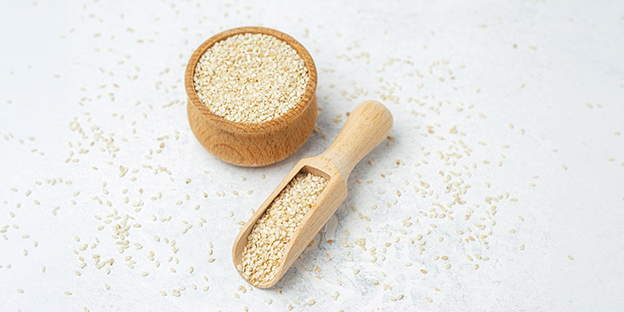
White Sesame Seeds

The most commonly exported type of sesame seeds from India is white ones. This white sesame seeds are widely applied in:

  • Bakery products
  • Burger buns
  • Confectionery
  • Tahini production
  • Sesame snacks
  • Oil extraction

The Indian white sesame is wide demand due to the following factors:

  • Uniform color
  • High purity
  • Good oil percentage
  • Mild nutty flavor

Particularly, the demand for white sesame seeds is growing in Japan, South Korea, the Middle East and Europe.

Black Sesame Seeds

In other international markets, black sesame seeds are a high-end specialty product. They are mainly used in:

  • Asian cuisines
  • Sushi toppings
  • Traditional medicines
  • Health foods
  • Nutritional products
  • Black sesame contains: 2.6 times more calcium than white sesame seeds
  • Stronger flavor
  • Dark rich color
  • Higher specialty market demand

The demand of natural and healthy food ingredients is creating new opportunities for Black sesame exports from India.

Hulled Sesame Seeds

Hulled sesame seeds undergo a process that removes the outer covering on the seed.

This seed is found most of the times on:

  • Bakery toppings
  • Tahini manufacturing
  • Premium food products
  • International retail packaging

Benefits of hulled sesame:

  • Better appearance
  • Smoother texture
  • Mild taste
  • Improved product consistency

Due to the further processing and increased levels of strict food safety controls needed for hulled sesame, it is typically more costly than natural sesame.

Unhulled Sesame Seeds

Unhulled sesame seeds simply have their natural outer covering.

They are mainly used for:

  • Oil crushing
  • Traditional foods
  • Health-focused applications
  • Industrial processing

Advantages of unhulled sesame:

  • Higher fiber content
  • Stronger flavor
  • Lower processing cost
  • Better for oil extraction

Many buyers prefer unhulled sesame for bulk industrial applications and commodity-grade markets.

When buying from Europe and USA usually buyers requires:

  • Sortex-cleaned sesame
  • Steam sterilization
  • EU pesticide compliance
  • Microbiological testing
  • Exports of Indian sesame trading by region

The Indian sesame seeds exported to the global market. Globally, these are segmented into two categories; whether you need for dessert or manufacturing.

Market Preferred Sesame Type
Japan White and Hulled Sesame
South Korea Premium White Sesame
Middle East Natural White Sesame
Europe Hulled and Sterilized Sesame
USA Bakery Grade Hulled Sesame
China and Vietnam White and Black Sesame

With Indian sesame in high demand across the globe, the international market for Indian sesame seeds never fails to rise, which is primarily due to:

  • Growth in healthy food consumption
  • Rising tahini demand
  • Expansion of bakery industries
  • Increasing plant-based food trends
  • Higher demand for natural oilseeds

Buyers today also prioritize:

  • Consistent quality
  • Food safety compliance
  • Reliable long-term suppliers
  • Timely shipment execution

Conclusion:

India continues to be one of the most trusted global sources for white, black, hulled, and unhulled sesame seeds. With strong agricultural production, advanced processing facilities, and experienced exporters, Kisan Agro supplies sesame suitable for bakery, oil extraction, health foods, and industrial applications worldwide. Contact us now.

For international buyers, selecting the right sesame type depends on:

  • End use
  • Market requirements
  • Quality expectations
  • Food safety standards
  • Budget considerations

Working with a reliable Indian sesame exporter helps ensure consistent quality, regulatory compliance, and smooth international trade.

FAQs:

1] What types of sesame seeds are exported from India?

India exports multiple varieties of sesame seeds including:

  • White sesame seeds
  • Black sesame seeds
  • Hulled sesame seeds
  • Unhulled sesame seeds

Each variety is used for different applications such as bakery, oil extraction, tahini production, confectionery, and health foods.

2] Is India a major exporter of sesame seeds?

Yes, India is one of the world’s leading exporters of sesame seeds. Indian sesame is exported to countries across Asia, Europe, the Middle East, and North America due to its high quality, good oil content, and competitive pricing.

3] What documents are needed for exporting sesame from India?

Common export documents for sesame seeds include:

  • Commercial Invoice
  • Packing List
  • Bill of Lading
  • Phytosanitary Certificate
  • Certificate of Origin
  • Fumigation Certificate
  • Certificate of Analysis (COA)
  • Health Certificate (if required)
  • Organic Certificate (for organic shipments)

Required documents may vary depending on the importing country.

4] Which sesame variety is most exported from India?

White sesame seeds are the most widely exported sesame variety from India. They are highly demanded in bakery, tahini, confectionery, and food processing industries across Japan, South Korea, the Middle East, Europe, and the USA.
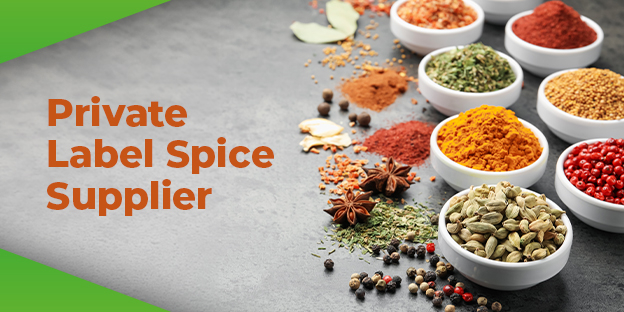
private label spices supplier

What to Look for in a Private Label Spice Supplier?

A spice manufacturer does a lot more than just process spices. They help keep the products consistent and make sure they are safe to eat, handle packaging with care and get the spices to the stores on time. From making spice blends to getting the spices ready for export, the right supplier becomes a partner in the business not just a vendor.

Private label spice brands are becoming very popular in supermarkets, online stores, restaurants and food businesses over the world. People are looking for spices that taste authentic and have good quality with clean ingredients. They also want spices that give them region-specific taste. This is why many businesses are starting to sell their own branded spices and become wholesale spice suppliers.

While the way a product looks and is packaged is important, the real strength of a spice business depends on the supplier. Choosing the private label spice supplier is one of the most important decisions a business can make if it wants to build a brand that will last.

Product Quality Should Always Come First:

The quality of the spices affects how people see the brand. If the smell of the spices changes from one batch to another or if the flavour is not consistent people will notice it right away.

This is why the quality of the products should always be considered a business check when looking for a private label spice supplier. A good spice manufacturer makes sure to source the raw materials, keep everything clean and hygienic during the processing and preserve the natural aroma and taste of the spices.

Many spice exporters use methods like steam sterilization and cold grinding to keep the spices fresh and meet international food safety standards. Cold grinding helps keep the oils, colour and smell of the spices that can be lost when grinding is done at high temperatures.

Consistency is also very important. People expect every batch of spices to taste, look and feel the same in retail and hospitality businesses where everything has to be the same. Many reliable spice exporters have their labs where they test the products for purity, moisture levels and safety before sending them out.

Certifications Matter More Than Ever:

People who buy spices from all over the world are very particular about food safety and compliance standards. Whether the spices are being sold in stores, restaurants or export markets, certifications help build trust and credibility.

A certified spice manufacturer usually follows quality systems that ensure safer production practices and better traceability.

Some important certifications are:

  • ISO
  • HACCP
  • FSSAI
  • FDA registration
  • BRCGS
  • Halal
  • Kosher
  • Organic certifications

Working with a spice supplier that follows food safety rules is especially important for spice exporters. Many countries have rules about what can be imported and suppliers with the right certifications are better prepared to meet those rules.

Manufacturing Infrastructure Plays a Big Role:

A supplier may give samples at first but the real test is when the orders get bigger. This is where manufacturing becomes very important. A dependable wholesale spice supplier should be able to handle orders without affecting the quality or delivery times.

Modern spice manufacturing facilities includes:

  • Automated cleaning
  • Grinding systems
  • Hygienic processing units
  • Controlled storage areas
  • In-house blending systems
  • Packaging facilities

The infrastructure also affects how long it takes to get the spices and how reliable the supply is.

Businesses should check if the supplier can handle orders, seasonal demand and long-term production commitments smoothly. Proper warehouse management and inventory planning are also important because spice products need to be stored in controlled conditions to stay fresh and last long.

Customization Is One of the Biggest Advantages:

One of the reasons businesses choose private labeling is flexibility. The market demands more than standard spices. People are looking for customized spice solutions that fit their regional taste preferences, retail positioning and customer expectations.

An experienced private label spice supplier should be able to support customized spice solutions like:

  • Blends
  • Retail packaging
  • Bulk packaging
  • Label design
  • Branding assistance

Packaging formats have changed over the years and businesses require:

  • Stand-up pouches
  • PET jars
  • Sachets
  • Bulk bags

Many companies now prefer wholesale spice suppliers that provide end-to-end label solutions, including blending, packaging, labeling and export coordination. This makes it easier for businesses to launch products faster.

Export Experience Makes a Major Difference:

For buyers export experience is just as important as manufacturing quality. An experienced spice exporter understands export documentation, shipping coordination, international compliance standards and logistics management.

A reliable spice exporter should consider:

  • Country-labeling regulations
  • Moisture protection during transit
  • Container loading standards
  • International shipping documentation
  • Customs processes

Pricing Should Be Transparent:

Pricing always influences the choice of supplier but choosing the supplier can sometimes create bigger problems later. A professional spice manufacturer maintains pricing without any extra costs related to packaging, logistics, sampling or documentation.

  • Country-specific labeling regulations
  • Moisture protection during transit
  • Container loading standards
  • International shipping documentation
  • Incoterms and customs processes

The price should never compromise the quality or consistency of the spices.

Reliability Matters in Long-Term Partnerships:

One of the concerns in the spice industry is consistency. People want to know that the same quality of spices can be maintained over time. A stable supply chain, consistent raw material sourcing and reliable dispatch schedules are all signs of a supplier.

Strong partnerships in the spice business are built over time through product quality, on-time delivery, clear communication and reliable inventory planning. For growing brands supply reliability often becomes more valuable than short-term pricing benefits.

Research and Development Adds Long-Term Value:

The preference of people for spices continues to change across regions and food categories. This is why many businesses now prefer suppliers with research and development capabilities.

An advanced spice manufacturer can help businesses develop seasoning blends, region-specific taste profiles, custom flavor combinations and market-oriented products. R&D support also helps brands stay aligned with food trends and changing consumer expectations.

Poor Communication Is Always a Warning Sign:

Good communication often reflects how professionally a supplier operates. Reliable suppliers usually provide:

  • Quotations
  • Clear timelines
  • Technical support
  • Smooth sample coordination

Many businesses also prefer working with suppliers who offer account managers for easier coordination.

Red Flags to Avoid While Choosing a Supplier:

While evaluating suppliers businesses should also watch for warning signs such as:

  • Lack of certifications
  • Inconsistent samples
  • Poor communication
  • Low prices
  • Delayed shipments
  • No export experience
  • Poor product traceability

Conclusion:

Choosing the private label spice supplier is not just about finding someone who can process and pack spices. It is about building a long-term manufacturing partnership that supports product quality, business growth and customer trust.

The ideal supplier should offer the balance of quality, compliance, customization, export support and scalability without compromising consistency. Looking for a trusted spice manufacturer and spice exporter for your label business? Partner with Kisan Agro, best spices exporter in India that offers premium quality products, custom spice packaging, global export support and scalable production capabilities that align with your brand requirements. Contact us now.

FAQs:

1] What is a private label spice supplier?

A private label spice supplier manufactures and packages spices under a buyer’s brand name while offering customized blends, packaging, and labeling solutions.

2] How do I choose the right private label spice supplier?

Choose a supplier based on product quality, certifications, manufacturing capacity, customization options, export experience, and supply reliability.

3] What certifications should a spice manufacturer have?

A reliable spice manufacturer should have certifications such as ISO, HACCP, FSSAI, FDA, BRCGS, Halal, Kosher, and Organic certifications depending on the target market.

4] Why are quality standards important in spice manufacturing?

Quality standards help ensure product safety, consistency, purity, compliance with export regulations, and long-term customer trust.

explore how to identify top fenugreek supplier and the key factors buyers should consider

Top Fenugreek Suppliers: How to Evaluate and Source in Bulk

When choosing top fenugreek suppliers, evaluate product quality, purity, certifications, pricing, and delivery reliability. Prefer suppliers with strong sourcing networks, export experience, and transparent testing standards. Compare bulk order terms, storage practices, and customer reviews before finalizing. Reliable suppliers ensure consistent supply, competitive rates, and compliance with international food safety and quality regulations.

Fenugreek seeds have gained significant attention in various fields, including health, nutrition, and cutting- edge nanotechnology applications, due to their versatile qualities.

Fenugreek botanically known as Trigonella foenum-graecum and commonly called as “methi”. Fenugreek seeds have been utilized for their medicinal properties for centuries in various culture. The small, golden- brown seeds possess a diverse array of health benefits because of their abundant nutritional profile and the presence of bioactive compounds. It is extensively cultivated in the Middle East, India and China.

The soluble fiber in fenugreek seeds binds to cho lesterol molecules in the gut, preventing their absorption into the bloodstream, and has been shown to lower total cholesterol and LDL (low- density lipoprotein) cholesterol levels, reducing the risk of heart disease. Fenugreek seeds have been shown to hold appetite- suppressing properties and can help control hunger and reduce food intake.

Additionally, they may increase thermogenesis, promote the burning of calories and aid in weight management efforts. The seeds also have a positive impact on hormonal balance.

In this blog, we will explore how to identify top fenugreek suppliers, and the key factors buyers should consider while sourcing fenugreek in bulk.

1] Quality and Purity –

Product quality and purity should be the first priorities of every buyer when sourcing fenugreek in bulk. The quality of fenugreek has a direct effect upon the final product’s taste, aroma, shelf life, nutritional content, and consumer acceptance.

If a buyer does not get consistent quality from their supplier, they may experience customer complaints, regulatory problems, and financial losses, regardless of if the fenugreek is being utilized in spice, food production, pharmaceutical, or nutraceutical products.

Purity is defined as the percentage of actual fenugreek seeds present in a shipment as compared to other materials; this includes contamination from dirt, stones, stems, non-fenugreek seeds, or any other foreign matter. Bulk buyers normally expect purity levels of 98%-99.9%, depending upon their intended use.

Purchasing materials with low levels of purity could hinder importing and manufacturing processes and lead to increased cleaning costs for importers and manufacturers. Therefore, buyers should always request complete product specifications prior to placing large purchases.

Know how leading fenugreek suppliers ensure quality and purity

2] Certifications and Compliance –

Certifications and regulatory compliance are also important factors when buying fenugreek in large volumes from overseas manufacturers, and they represent proof of the quality, safety and reliability of the product.

Certifications prove that the manufacturer observes a strict set of procedures regarding manufacturing, hygiene, processing, packaging and export that conform to international standards.

3] Market Reputation and Buyer Reviews –

When looking to purchase fenugreek from a supplier, it is critical that you evaluate the supplier’s reputation within the market. The reputation of a supplier reflects their dependability, quality of products, professionalism and ability to continue long-term relationships with businesses.

In the world of international trading where most of the time buyers and sellers are doing business remotely, a supplier’s reputation becomes one of the main indicators of reliability.

A supplier who has a good reputation in the market typically provides a higher quality of products on a consistent basis, better communication between themselves and the buyer, shipping goods on time, and providing superior customer service.

4] After Sales Support and Dispute Handling –

When it comes to importing fenugreek, the responsibilities of the supplier do not end after dispatching the shipment. The aspects of after-sales services and dispute resolution will play an essential role in building a reliable business relationship.

The process of trading bulk commodities includes such operations as manufacturing, packing, transportation, customs procedures, storage, and delivery. Sometimes even when the products are chosen with care, problems can happen during any of these steps. It is important for the supplier to be able to handle such challenges.

Good after-sales services indicate the supplier’s professionalism and willingness to build sustainable business relations.

Why Choose Kisan Agro for Fenugreek Supplies?

Kisan Agro has earned a good reputation through its consistent supply of seeds, spices, and agricultural produce. They have done so through their focus on quality, reliability, and professionalism in providing their customers with good service.

Kisan Agro a top spices exporter in India, applies a well-defined six-tier Total Quality Management (TQM) system in order to ensure consistent quality standards from procurement to exportation processes. Such a system contributes to minimizing contamination risks and providing consistent export quality products.

Kisan Agro blends product excellence, modern facilities, international certification, export experience, and high standards of customer service to provide its clients with quality fenugreek seeds. If you are a producer, spice trader, health supplement company, wholesaler, or distributor of private label spices, dealing with Kisan Agro will bring you a range of benefits. Contact us now.

FAQs:

1] What forms of fenugreek are available for bulk sourcing?

Fenugreek is available in multiple forms to meet the diverse requirements of the food, nutraceutical, pharmaceutical, cosmetic, and animal feed industries. The choice of product form depends on the intended application, processing requirements, target market, and buyer specifications.

  • Whole Fenugreek Seeds
  • Fenugreek Powder
  • Organic Fenugreek Seeds

2] What should buyers evaluate before selecting a fenugreek supplier?

  • Product Quality and Purity
  • Export Experience
  • Certifications and Compliance
  • Logistics and Shipping Capabilities

3] Which certifications are important for fenugreek exports?

The required certifications may vary depending on the destination country, industry application, and buyer requirements. However, certain certifications are widely recognized and considered essential in the global fenugreek export market.

  • Organic Certification
  • Kosher Certificate
  • Halal Certificate
  • BRC

4] What moisture level is acceptable for fenugreek exports?

In the international spice and agricultural commodity market, the generally accepted moisture level for fenugreek seeds ranges between 8% to 10%.

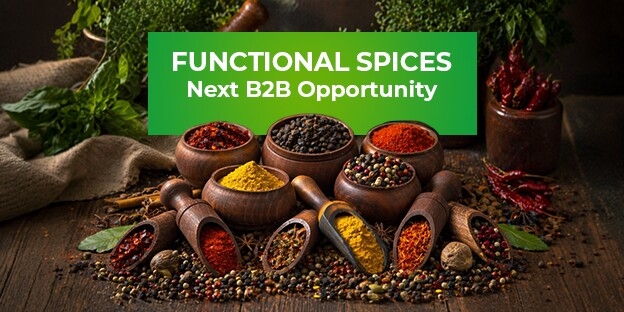
Why Functional Spices Are the Next Big B2B Profit Driver

Why Functional Spices Are the Next Big B2B Profit Driver?

Something has shifted in the way spice buyers think. Five years ago, the conversation started and ended with flavour. Today, procurement teams are asking a very different question: what does this ingredient do beyond taste?

That shift is turning functional spices into one of the most profitable categories in B2B ingredient supply.

Functional Spices: More Than a Buzzword

Functional spices are spices that carry specific, research-backed health benefits alongside their culinary role.

For example, turmeric is known for its anti-inflammatory curcumin content, ginger for digestive support, cinnamon for blood sugar regulation, and black pepper as a bioavailability enhancer.

These aren’t made-up claims.

Curcumin alone has been the subject of over 400 clinical studies and more than 20,000 published citations on PubMed. The U.S. FDA classifies curcuminoids as GRAS (Generally Recognised as Safe), and clinical trials have demonstrated safety even at doses of up to 8 grams per day.

This kind of scientific backing is exactly what gives functional spices their commercial weight. Buyers don’t just want flavour anymore. They want ingredients they can build product claims around.

The Market Numbers Tell the Story –

The global functional food and beverage market stood at roughly USD 399 billion in 2025 and is projected to cross USD 983 billion by 2034, growing at a CAGR of about 10.65%. Within that broader wave, spices occupy a unique position because they serve dual duty: flavour and function, in a single raw material.

India already controls over 45% of global spice output, and FY 2024-25 was a record year with USD 4.72 billion in spice exports. Giving us a profitable position to be ahead of the competition.

What’s changing is why buyers are placing orders. Turmeric, ginger, cinnamon, and black pepper are among the top exported varieties, and their demand is increasingly driven by health-focused product development rather than traditional culinary use.

Meanwhile, the global blended spices market is projected to grow from USD 8.62 billion in 2025 to USD 9.28 billion in 2026 and USD 17.71 billion by 2034. The B2B segment within that space is growing at a CAGR of 8%, faster than the overall market.

Why These Margins Are Different?

Commodity spices compete on price. Functional spices compete on value. That distinction changes the entire economics of the deal.

  • Premium positioning becomes possible –When a spice supports a product claim like immunity support or gut health, the buyer’s willingness to pay shifts. You’re no longer selling raw turmeric powder. You’re selling a clinically validated ingredient.
  • Price sensitivity drops –Procurement decisions move from cost-first to outcome-first. A food manufacturer formulating a functional beverage isn’t shopping for the cheapest ginger extract. They need one with standardised gingerol levels and clean-label certifications.
  • Client relationships get stickier –Once a formulation is built around a specific functional spice blend, switching suppliers carries real risk. That translates into longer contracts and more predictable revenue.
  • Consistent demand stabilises –The real margin expansion kicks in when you start formulating blends around specific health outcomes. This ensures steadier B2B order cycles.

Where the Demand Is Coming From?

What makes functional spices so commercially interesting is that they don’t belong to just one industry. They show up in multiple places, and each sector uses them a little differently.

  • In the food and beverage industry, the demand is for fortified snacks, ready-to-use spice mixes, and functional beverages like turmeric lattes and ginger-based wellness shots.

For example, an immunity blend that pairs turmeric with black pepper and ginger, to boost curcumin absorption. Or a digestive blend built on cumin, fennel, and coriander, three ingredients that have been combined in traditional Ayurvedic practice for centuries and are now finding their way into clinical nutrition products.

  • The nutraceuticals industry uses them in capsules, herbal formulations, and dietary supplements.
  • Pharmaceutical companies, particularly those working in Ayurvedic and herbal medicine, rely on standardised spice extracts as active botanical ingredients.
  • Even personal care brands are formulating with turmeric and cinnamon for skincare and oral care lines.
  • Hotels and restaurant chains are feeling the pull, too. Functional menus are no longer a novelty reserved for boutique wellness cafes.
  • Mainstream hospitality brands are actively incorporating health-positioned dishes, and doing that consistently across locations demands a dependable supply of quality spice blends at scale.

Building a Supply Chain That Supports All of This –

Scaling in this space goes well beyond sourcing larger quantities of raw material. The buyers placing functional spice orders care about things that commodity buyers never asked about.

  • Traceability – to know the origin of every batch, down to the farm cluster in some cases.
  • Standardisation – to ensure content per batch is consistent, measurable, and documented.
  • Certifications – stating organic, non-GMO, or export-grade.
  • Processing capabilities – such as extraction, grinding, blending.
  • Logistics efficiency – for on-time delivery and export.

India’s Spices Board has set up crop-specific Spices Parks in key production centres to support exactly this kind of value addition. The country’s target of USD 10 billion in spice exports by 2030 depends heavily on increasing the share of value-added products from roughly 48% to 70%. This is the gap that is waiting to be filled.

Where Kisan Agro Fits In?

Kisan Agro a trusted spices exporters in India, has planted itself right at the junction where old-school spice sourcing know-how meets the kind of precision modern B2B buyers expect.

In practice, that means working with medicinal-grade spice ingredients that come with verified active compound profiles, formulating custom blends designed for specific industry applications (not generic masala mixes repackaged with a wellness label), keeping batch-level quality tight enough to survive audits, and running private label manufacturing for brands that want to scale their functional product lines without sinking capital into processing infrastructure.

Kisan Agro isn’t chasing volume for volume’s sake. The play here is to solve formulation and supply chain problems for companies that have already committed to the functional ingredients space and need a partner who can keep up.

Conclusion –

Functional spices sit at the intersection of food, health, and convenience, which is precisely where global consumption is heading.

For B2B players willing to invest in blending capabilities, certifications, and long-term partnerships, the profit opportunity is real and growing. The market has already moved. The only question is whether your supply chain has kept up. Contact us now.

FAQs:

1] What are functional spices?

Functional spices are spices offering specific health benefits beyond flavour, such as turmeric for inflammation or ginger for digestion.

2] Why are functional spices profitable in B2B markets?

They command premium pricing because they enable product health claims, reduce price sensitivity, and drive longer supplier contracts.

3] How to scale a functional spice business?

Invest in blending and formulation capabilities, secure clean-label certifications, and build long-term partnerships rather than one-off bulk deals.

4] What are the benefits of functional spices for food manufacturers?

They help create differentiated products, support health-related label claims, and reduce reliance on synthetic additives.

5] Which industries benefit the most from functional spices?

Food and beverage, nutraceuticals, pharmaceuticals, personal care, and HoReCa see the strongest demand.

6] What are the most in-demand functional spices globally?

Turmeric, ginger, cinnamon, black pepper, and clove lead global demand due to their well-documented health properties.

7] How can B2B buyers source high-quality functional spices?

By partnering with suppliers who offer traceability, standardised active compound levels, relevant certifications, and consistent bulk supply.

psyllium imports cold chain vs dry chains b2b guide

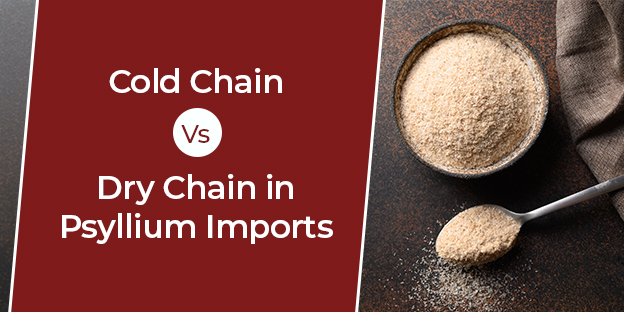
Cold Chain Vs Dry Chain in Psyllium Imports: What B2B Buyers Need to Know

In today’s trade logistics decisions directly affect product quality, compliance and customer satisfaction. For B2B buyers dealing with psyllium husk understanding supply chain conditions is critical. Psyllium is a product that reacts quickly to environmental conditions during transit.

Many buyers struggle with a question: should they opt for a cold chain or a dry chain? While cold chain logistics are often associated with goods , their relevance in non-perishable commodities like psyllium is often misunderstood. Dry chain logistics remain the industry standard. Are they always sufficient?

The answer lies in understanding what needs to be controlled. Temperature, humidity, packaging integrity and transit conditions all play a role in determining the quality of psyllium upon arrival. For importers especially those supplying to markets like the EU or US even minor deviations can result in quality degradation, microbial risks or compliance failures.

1. What is the difference between chain and dry chain in psyllium imports?

Cold chain logistics involve transporting goods under controlled low-temperature conditions. Dry chain logistics involve transporting goods at temperatures without refrigeration focusing on keeping the product dry, clean and protected from external contamination.

In psyllium imports the primary difference lies in what's being controlled- temperature in cold chain versus moisture and environmental exposure in dry chain.

2. Does psyllium require cold chain logistics?

In cases psyllium does not require cold chain logistics. It is a shelf- product with low moisture content when processed correctly. However psyllium is highly sensitive to moisture absorption, which can lead to clumping, microbial growth and quality deterioration.

A managed dry chain is generally sufficient provided humidity and packaging are properly controlled.

3. Why is moisture control critical in psyllium imports?

Moisture is the risk factor in psyllium logistics. Psyllium easily absorbs moisture from the surrounding environment. Excess moisture can lead to:

  • Microbial growth
  • Increased bulk. Clumping
  • Reduced shelf life
  • Non-compliance with import quality standards

Even small increase in moisture during transit can significantly impact product quality.

4. When should B2B buyers consider cold chain for psyllium?

Cold chain may be considered in specific scenarios, such as:

  • Extremely humid shipping seasons
  • Long transit durations with temperature fluctuations
  • High-value or pharmaceutical-grade psyllium requiring extra safety margins
  • Shipments to regions with microbial limits

In such cases cold chain can act as an additional safeguard.

5. What are the risks of using a cold chain for psyllium imports?

While dry chain is standard it comes with risks if not managed properly:

  • Exposure to humidity during loading/unloading
  • Container sweating due to temperature variations
  • Poor packaging leading to moisture ingress
  • Lack of desiccants or improper container lining

These risks can result in product rejection, financial losses and damage to supplier credibility.

6. What are the cost implications of cold chain versus dry chain?

Cold chain logistics are significantly more expensive than chain. Costs can increase due to:

  • Refrigerated container charges
  • Higher energy consumption
  • container availability
  • Additional handling requirements

Dry chain, when properly managed offers a cost effective solution.

7. What should B2B buyers prioritize: temperature or humidity control for psyllium?

For psyllium humidity control should always be the priority. While temperature fluctuations can have some impact moisture exposure is more damaging. Buyers should focus on:

  • Low moisture content at origin
  • Moisture-proof packaging
  • Use of desiccants
  • Container ventilation or lining

Controlling humidity effectively reduces the need for temperature-controlled logistics.

8. What are the key checkpoints B2B buyers must control in psyllium imports?

To ensure quality buyers should monitor the following checkpoints:

  • Material quality: Ensure low initial moisture content
  • Processing standards: Prefer steam-sterilized and cleaned psyllium
  • Packaging: Use multi-moisture-resistant bags
  • Container condition: Clean, dry and properly sealed containers
  • Usage: Adequate quantity to absorb excess moisture
  • Loading conditions: Avoid loading during humidity or rain
  • Transit monitoring: Minimize delays and exposure to extreme conditions
  • Documentation: Ensure compliance with import regulations

Controlling these factors is more impactful than simply choosing between cold and dry chain.

Why Choose Kisan Agro for Psyllium Imports?

At Kisan Agro we understand that B2B buyers need a partner who understands logistics challenges. We combine processing techniques with deep expertise in export logistics. Our psyllium is carefully processed, cleaned and optionally steam sterilized to meet international standards.

As a leading psyllium husk and psyllium husk powder supplers, we focus heavily on moisture control from raw material sourcing to dispatch. Our packaging solutions, container preparation practices and logistics planning are designed to ensure that your shipment reaches you in condition.

Than relying on expensive cold chain solutions we optimize dry chain logistics with precision and care helping you maintain quality while controlling costs. If you are looking for a experienced and quality-focused psyllium supplier Kisan Agro stands as a trusted choice, for global B2B buyers. Reach out for quality concentrated psyllium products.

Whole vs Ground Chia Seeds Which Is Better for Your Product Line

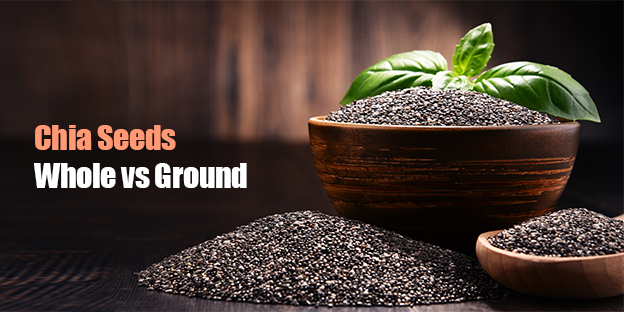
Whole vs Ground Chia Seeds: Which Is Better for Your Product Line?

Chia seeds have become one of the most popular superfood ingredients in the global food industry. Known for their high fiber, omega-3 fatty acids, protein, and antioxidant content, they are widely used in beverages, bakery products, cereals, health supplements, and functional foods.

However, when developing a product line, manufacturers often face an important question: Should you use whole chia seeds or ground chia seeds?

Both forms offer significant nutritional benefits, but they differ in digestibility, shelf life, cost efficiency, and product functionality. In this guide, Kisan Agro explains the key differences to help businesses choose the right option for their products.

1. What’s the Difference Between Whole and Ground Chia Seeds?

The primary difference lies in processing and structure.

  • Whole chia seeds are natural, unprocessed seeds with their outer shell intact.
  • Ground chia seeds (also called milled chia or chia flour) are produced by grinding whole seeds into a fine powder.

The outer shell of whole chia seeds is quite tough, which can sometimes limit how efficiently the body absorbs certain nutrients. Grinding breaks this shell, making nutrients more accessible and easier to incorporate into recipes.

From a product development perspective:

Whole Chia Seeds:

  • Crunchy texture
  • Visual appeal in foods
  • Ideal for toppings, puddings, and beverages

Ground Chia Seeds:

  • Smooth texture
  • Blends easily into recipes
  • Often used in baking and nutritional formulations

2. Are Ground Chia Seeds More Nutritious Than Whole Chia Seeds?

Nutritionally, both forms contain nearly identical nutrients, including fiber, omega-3 fatty acids, protein, calcium, magnesium, and antioxidants.

However, ground chia seeds may allow better nutrient absorption because grinding breaks the seed’s outer shell, increasing the bioavailability of nutrients such as omega-3 fatty acids and antioxidants.

Research has also suggested that consuming ground chia seeds can increase levels of beneficial omega-3 fats in the body more effectively than whole seeds.

So while the nutritional composition remains similar, ground chia seeds may provide better nutrient accessibility.

3. Do Whole Chia Seeds Provide the Same Health Benefits as Ground Chia Seeds?

Yes, whole chia seeds still provide excellent health benefits.

They remain rich in:

  • Dietary fiber
  • Omega-3 fatty acids
  • Plant protein
  • Essential minerals like calcium and magnesium

However, some whole seeds may pass through the digestive system without fully breaking down, which can slightly reduce nutrient absorption compared to ground seeds.

Despite this, whole chia seeds still support:

  • Heart health
  • Digestive health
  • Blood sugar regulation
  • Weight management

This makes them a valuable ingredient for many food products.

4. Is It Easier to Digest Ground Chia Seeds?

Yes, ground chia seeds are generally easier to digest.

Because the grinding process breaks the tough outer shell, the digestive system can access nutrients more easily and process them faster.

Ground chia seeds may be especially beneficial for:

  • Individuals with digestive sensitivity
  • Functional food formulations
  • Nutritional supplements and powders

For food manufacturers, this can make ground chia a preferred option in protein powders, smoothies, health bars, and bakery products.

5. Which Chia Seed Form Is Better for Product Shelf Life?

When it comes to shelf stability, whole chia seeds clearly have the advantage.

Whole seeds can remain stable for 2–4 years when stored properly because their natural outer shell protects the oils inside from oxidation.

Ground chia seeds, however:

  • Have exposed oils
  • Are more prone to oxidation
  • Can turn rancid faster if not stored correctly

This means ground chia usually requires tighter storage control and shorter shelf life management.

For packaged foods with longer shelf life requirements, whole chia seeds are often the better choice.

6. Which Is More Cost-Effective for Product Manufacturing?

Cost efficiency depends on several factors:

Whole Chia Seeds:

  • Lower processing cost
  • Longer storage life
  • Easier bulk handling

Ground Chia Seeds:

  • Requires grinding equipment
  • Shorter shelf life
  • Higher processing cost

Because of this, whole chia seeds are typically more cost-effective for large-scale manufacturing, while ground chia is chosen when formulation benefits outweigh the extra processing cost.

Final Thoughts: Which Should You Choose?

Both whole and ground chia seeds offer powerful nutritional benefits, but the best option depends on your product application.

Factor Whole Chia Seeds Ground Chia Seeds
Nutrient content High High
Nutrient absorption Moderate Higher
Digestibility Good Better
Shelf life Longer Shorter
Cost Lower Higher

For beverages, puddings, and toppings, whole chia seeds work well. For baking, protein blends, and functional foods, ground chia seeds may provide better performance.

At Kisan Agro, we supply premium-quality chia seeds for food manufacturers, health brands, and ingredient distributors worldwide, ensuring consistent quality, purity, and reliable supply. Contact us now.

image showing spices that instantly cool your body

Beat the Heat Naturally: 10 Spices That Instantly Cool Your Body

When a summer hits, the heat can leave feeling tired, dehydrated, and uncomfortable. While cold drinks offer quick relief, some of the spices from your kitchen can naturally help keep your body cool and balanced.

For many centuries, spices like cumin, fennel, and coriander have been used not just for flavour, also for their cooling effects and digestive benefits.  It is Simple, natural, and effective they’re the perfect allies to stay refreshed during hot days.

Below are the natural spices keeps you cool during summer:

1. Fennel Seeds (Saunf) – Your Post-Meal Refresh

Fennel seeds are the classic after-meal treat. Chewing a few seeds after lunch or dinner not only freshens your breath but also helps calm the stomach, reduce bloating, and naturally cool the body. It’s like a little breath of fresh air for your digestive system.

  • Nutrition: Fiber, antioxidants, vitamin C, potassium, calcium, iron
  • Tip: Sip fennel water or chew a teaspoon of seeds after meals to feel light and refreshed.

2. Coriander Seeds (Dhania) – Gentle Detox

Coriander seeds are natural detoxifiers. Soak them overnight and drink the water in the morning it’s a simple, refreshing way to start your day. They help reduce internal body heat and support smooth digestion, especially on scorching summer mornings.

  • Nutrition: Antioxidants, fiber, vitamin C, essential minerals.
  • Tip: Make coriander water a morning ritual for a refreshing start to the day.

3. Cumin Seeds (Jeera) – Digestive Magic

Cumin seeds are famous for supporting digestion. They help break down food more efficiently, reduce gas, and prevent bloating. During summer, they even help maintain your body’s natural balance.

  • Nutrition: Iron, antioxidants, fiber
  • Tip: Make a glass of cooled cumin water to sip during the day it’s surprisingly soothing and refreshing

4. Cardamom (Elaichi) – Fragrant and Cooling

Cardamom is not just fragrant it’s cooling, digestive-friendly, and perfect for summer drinks. It helps with bloating, acidity, and keeps your body feeling light and refreshed.

  • Nutrition: Antioxidants and essential nutrients
  • Tip: Add crushed cardamom to tea, lemonade, or iced drinks for a fragrant, refreshing twist.

5. Carom Seeds (Ajwain) – Tiny But Powerful

Ajwain seeds are excellent for digestion, particularly when summer heat can make your stomach feel heavy. A small pinch can ease gas, acidity, and discomfort after meals.

  • Nutrition: Fiber, antioxidants, essential minerals
  • Tip: Add ajwain to buttermilk or warm water to keep your tummy happy.

6. Turmeric (Haldi) – The Golden Healer

Turmeric isn’t just a curry ingredient it’s a powerhouse of antioxidants and anti-inflammatory compounds. It supports immunity, balances the body, and helps you stay energized and healthy during summer.

  • Nutrition: Curcumin, antioxidants, iron, potassium, vitamin C
  • Tip: Sprinkle a pinch into warm milk or everyday dishes to enjoy its benefits.

7. Fenugreek Seeds (Methi) – Gentle Cooling

Fenugreek seeds help regulate metabolism, support digestion, and naturally reduce internal body heat. Eating soaked fenugreek in the morning keeps you feeling light and energized.

  • Nutrition: Fiber, protein, iron, antioxidants
  • Tip: Soak a teaspoon of seeds overnight and eat them with warm water in the morning.

8. Dill Seeds (Suva) – Light and Soothing

Dill seeds are light, soothing, and great for digestion. They reduce bloating and give your body a refreshing boost, making them perfect for hot summer days.

  • Nutrition: Fiber, antioxidants, calcium, iron
  • Tip: Add them to soups, salads, or herbal teas to enjoy flavor and digestive support.

9. Poppy Seeds (Khus Khus) – Calm & Refreshing

Poppy seeds naturally cool the body and help you relax. They’re perfect for milk drinks, smoothies, or desserts and can leave you feeling light and refreshed.

  • Nutrition: Calcium, magnesium, antioxidants, healthy fats
  • Tip: Sprinkle poppy seeds on drinks or desserts for a gentle, cooling effect.

10. Black Pepper (Kali Mirch) – Small But Mighty

Black pepper may be small, but it does a lot. It supports digestion, boosts metabolism, and enhances nutrient absorption. Just a pinch can make a difference!

  • Nutrition: Antioxidants, manganese, iron, vitamin K
  • Tip: Sprinkle freshly ground pepper on salads, soups, or cooked dishes for a digestive boost.

Conclusion:

Sometimes, the simplest solutions are the most effective. Instead of relying only on cold or processed drinks, you can use natural spices that help cool the body from within. These traditional ingredients have been used for generations to stay balanced during hot summer months.

Adding cooling spices like cumin, fennel, and coriander to your meals or drinks can help you stay refreshed while supporting digestion and overall wellness. Even small changes in your daily diet can help you manage the summer heat in a natural and healthy way.

After all, the secret to beating the heat might already be in your kitchen!

About Kisan Agro:

After learning about the amazing health benefits of spices, the next step is finding a reliable source to buy them. One trusted name in the spice industry is Kisan Agro, a well-known spices exporters in India like cumin seeds, mustard seeds, fenugreek seeds, and fennel seeds, along with many other quality products.

With over two decades of experience, the company has built a strong reputation for delivering consistent quality and maintaining long-term relationships with buyers worldwide.

To learn more about our products, you can visit Kisan Agro or contact us now.

FAQs:

1. What are the best spices to cool your body naturally?

Certain spices are known for their natural cooling and refreshing effects on the body. Popular ones include fennel seeds, coriander seeds, cumin seeds, cardamom, fenugreek seeds, ajwain, black pepper, and turmeric. For example, fennel seeds are often eaten after meals for better digestion and a cooling feeling, while cumin and coriander are commonly used in herbal water to keep the body hydrated. Adding these spices to your daily meals is a simple way to stay comfortable during hot weather.

2. How do spices help reduce body heat?

Many cooling spices work by supporting digestion and helping the body maintain balance. When digestion functions properly, the body is able to manage internal heat more efficiently. Some spices also help flush out toxins and support hydration, which is especially important in summer. For instance, fennel and coriander help calm the stomach and reduce acidity.
Together, these effects help the body stay naturally cool and comfortable.

3. Can cumin water reduce heat in summer?

Yes, cumin water is one of the simplest and most popular home remedies used during summer. It helps improve digestion, prevent bloating, and maintain body balance during hot weather. Preparing cumin water is very easy. Just boil one teaspoon of cumin seeds in a glass of water for a few minutes. Let it cool before drinking. Many people like to drink it in the morning or during the afternoon for a refreshing boost.

4. How often should I consume cooling spices in summer?

Cooling spices can easily be added to your daily diet in small amounts. You can chew fennel seeds after meals or drink cumin or coriander water once a day. These simple habits help the body stay cool and adjust to the heat. Just remember to consume them in moderation, as too much of any spice may cause discomfort.

5. Are there any side effects of consuming cooling spices?

In most cases, these spices are completely safe when used in normal cooking quantities. However, excessive consumption might cause mild digestive issues for some people. For instance, too much fenugreek or cumin may lead to stomach discomfort. If you have any specific health condition or are taking medication, it’s always a good idea to consult a healthcare professional before making significant dietary changes.

chia seeds export from India

How to Choose a Reliable Chia Seeds Exporter in India?

Indian chia seeds are considered competitive globally due to favourable growing conditions in states like Rajasthan and Madhya Pradesh, which support good seed quality and lower moisture levels. India also offers strong export infrastructure, advanced cleaning facilities with high purity standards, and reliable bulk supply.

Compared to traditional origins such as Paraguay and Mexico, Indian chia provides a balanced combination of quality, competitive pricing, organic availability, and consistent traceability, making it an attractive sourcing option for international buyers.

India has become one of the major producers and exporters of chia seeds, providing quality products worldwide markets.  But as the demand has increased, so has the number of exporters; so, it is imperative that you thoroughly review and choose a reputable chia seeds exporter in India.

But selecting the right partner is about much more than just price; it ultimately affects product quality, compliance, brand image and longer-term commercial success. The following are the main points to consider in choosing a reliable chia seeds exporter.

1] Verify Quality Standards & Certifications:

I believe a responsible exporter should adhere strictly to international quality and food safety benchmarks. Seek out exporters who maintain certifications like:

  • FSSAI (India)
  • ISO 22000 / HACCP
  • BRC (for EU & UK markets)
  • IFS (food only for EU & UK markets)
  • US FDA registration
  • Organic Certifications (NOP, EU Organic if necessary)

These certifications mean that exporter has established appropriate hygiene, traceability and quality control mechanisms, the sourcing, processing and packaging.

2] Source Transparency & Traceability:

The quality of chia seeds starts at the farm, so it is very important to choose the source when choosing an exporter. A good exporter should offer a detailed account of seed source, the farming system used and demonstrate full traceability from the farm to the final shipment.

They must also have adequate controls in place to control allergens and avoid cross-contamination. Direct traders or by contract farming model normally are able to give more consistent and transparent quality control his supply chain.

3] In-House Testing & Quality Control:

Ensure the exporter enters in his laboratory tested for -Microbiological parameters, Pesticide residues, Heavy metals, Allergen risks etc.

Ask whether testing is done in-house or by NABL/ISO certified third party labs, and for current (COA).

4] Export Experience & Market Knowledge:

Test is so important in international trade. A reputable chia seeds exporter should have experience with selling to different countries and knowledge from nation to nation. They also need to be familiar with basic export documents such as Phytosanitary Certificates, Certificates of Origin (COO), Health Certificates and any other supporting papers.

Also, they must be experienced in buyer-specific compliance mandates. An experienced exporter will reduce the risk of delays, shipment refusals and regulatory issues by facilitating trade which is easy, more predictable and faster.

5] Packaging & Customization Capabilities:

Every market has its own specific packaging requirements, so it is important to choose an exporter who can offer flexible packaging solutions. A reliable exporter should be able to provide bulk packaging in PP bags, kraft bags, or jumbo bags, along with options for private labelling.

They should also accommodate custom specifications such as cleaned, sortexed, or sterilized products, and ensure moisture-controlled, export-grade packaging. Proper packaging not only preserves freshness and safety during transit but also enhances your brand presentation in the market.

6] Consistency & Supply Reliability:

One-time quality is not enough consistency is what truly matters in long-term trade relationships. It is important to evaluate the exporter’s annual production capacity, inventory management systems, and their ability to handle repeat or bulk orders efficiently.

Additionally, they should have contingency plans in place to manage crop variations and supply fluctuations. Reliable exporters strategically plan their sourcing and maintain proper inventory levels to ensure a steady and uninterrupted flow of goods throughout the year.

7] Clear Communication & Professional Approach:

Strong and clear communication is a true reflection of professionalism. A dependable exporter responds promptly, provides transparent pricing and realistic timelines, and proactively shares all necessary documentation.

They are honest about potential challenges instead of overpromising, ensuring expectations are managed properly. This level of transparency and reliability helps build trust and creates the foundation for a long-term, mutually beneficial partnership.

8] References & Long-Term Client Relationships:

It is always advisable to ask about existing client references, the markets they currently serve, and the duration of their relationships with international buyers. Exporters who have repeat clients and maintain long-standing partnerships are typically more reliable and performance driven. Consistent business relationships reflect trust, credibility, and the ability to meet buyer expectations over time.

Conclusion:

Selecting the right chia seeds supplier in India needs to go beyond cost; quality systems, transparency, experience and reliability are just as important and Kisan Agro provides all this. Kisan Agro is a reliable exporter who becomes a business partner that helps your growth, compliance and brand image in the world.

Choosing the right supplier now can help avoid added expense, risk and hassle later not to mention ensure your business runs successfully. Kisan Agro is such an exporter who believes in long term business relationship. To enquire Kisan Agro, you can drop us email at [email protected].

FAQ’s:

1] Why should I be careful when selecting a chia seeds exporter in India?

The selection of the right exporter can make a crucial difference in product quality, food safety and brand reputation. The use of chia seeds is so pervasive in health foods that such problems as contamination, pesticide residue and poor quality can result in rejected shipments and losses.

A qualified exporter has a role to play in sourcing, cleaning, processing, packaging, documentation and conformity of international standards. Thorough and intentional selection is your hedge against risk and business stability over time.

2] How important is traceability for chia seeds?

Traceability is extremely important. It enables you for the traceability of products to the farm or source if there is an issue related to quality or safety. Rigorous traceability allows transparency, compliance with global food safety regulations and faster solution to issues like allergen contamination or residue concerns. Customers in Europe, the US, and other regulated markets particularly demand complete traceability documentation.

3] How can I assess an exporter’s export experience?

You can gauge the extent of experience by looking at:

  • How many years exported the goods?
  • Countries they currently export to
  • Certifications (ISO, HACCP, BRC, Organic and so on)
  • Client references
  • Knowledge of international documentation and adherence

A seasoned exporter will be well acquainted to the customs processes, lab testing needs and market norms in that region.

4] Should pricing be the main factor when choosing a chia seeds exporter?

No, certainly not price should be the only deciding factor. Any price way below market average can imply quality, cleaning standards, packaging or testing failures. Focus on value; good quality, correct certs, prompt shipping and responsive communication. If you’re going to buy, so much the better if price is also reasonable, but this is a long-term thing; reliability over time matters more.

5] What chia seed varieties should a reliable exporter offer?

A dependable exporter should offer:

  • Black chia seeds
  • White chia seeds
  • Conventional and Organic options
  • Machine-cleaned and sortex-cleaned grades

They should also be able to accommodate packaging needs (bulk, private label, retail packs) according to your market.

Quinoa Exporter for Wholesalers

Quinoa Exporter for Wholesalers: What to Look For?

Quinoa has rapidly grown from a specialized health item into a widely recognized superfood. As demand from retail, food manufacturing, and private label sectors is increasing constantly, wholesalers are looking for quality quinoa exporters to meet their demands.

However, it is not just about the cost when it comes to choosing the perfect quinoa exporter. It is about creating a stable supply chain. By this, you can choose KISAN AGRO as your exporter, let’s see how:-

1] Range of Quinoa Varieties Offered:

An exporter must deal in a range of varieties of quinoa to cater to the different market needs, such as –

  • White Quinoa
  • Red Quinoa
  • Black Quinoa
  • Tricolor Quinoa

Wholesalers often sell to different customer segments, that is, retailers, food manufacturers, and food service companies, all requiring specific and different varieties according to their needs. A wider product portfolio provided by an exporter enables to give a customer segments additional variety. We the KISAN AGRO have all range of Quinoa varieties.

2] Processing Capabilities and Technology:

Modern infrastructure for processing ensures quality and hygiene at par. Seek exporters who use:

  • Advanced cleaning and destoning systems
  • Color sorters for uniformity
  • Gravity separators
  • Metal detection systems
  • Automated packing lines

This has the effect of reducing the risk of contamination. And this is the critical aspect for wholesalers. At KISAN AGRO we follow advanced zero touch processing facility, which ensures quality control.

3] Quality Testing & In-House Laboratory Support:

Exporters should have quality control system, which includes:

  • In-house laboratory testing
  • Moisture analysis
  • Microbiological testing
  • Pesticide residue testing
  • Heavy metal testing

This enables lower chance of rejected shipments in foreign markets and ensures full compliance with the destination country’s rules and regulations. KISAN AGRO provides lab test results of every batch while exporting the specific batch.

4] Traceability Systems:

A reliable exporter should have full traceability of the product – from the farm or source to the harvest, to the processing lot number, and finally, to the shipment. Batch-level traceability enhances food safety compliance and builds long term business relationship.

5] Responsiveness During Market Volatility:

Quinoa prices fluctuate frequently due to Crop output and its global demand. A reliable exporter should –

  • Provides timely crop updates
  • Advises on forward buying opportunities
  • Shares early insights into market trends
  • Helps wholesalers plan inventory better

This enhances the trust and reliability of an exporter.

6] Production Capacity and Reliability:

Before entering into a long-term agreement, verify:

  • Monthly production capacity
  • Storage infrastructure
  • Ability to handle large-volume orders
  • Backup inventory management

A good exporter must also be able to sustain growth with your business.

Conclusion:

In today’s competitive world, we KISAN AGRO believe in providing premium quality at all stages of the supply chain. We provide all sorts of quinoa, along with our advanced zero-touch processing unit for superior hygiene, safety, and quality aspects.

Our scope of interest stretches beyond those who simply provide a supply, as we can offer timely delivery, crop reports to enable our client base to remain fully aware of ever-changing market dynamics, and traceability, thus ensuring a transparent level of service that empowers our wholesale partners to conduct business with stability, security, and forward-thinking advantage.

At KISAN AGRO, as a top manufacturers of quinoa, we focus on establishing strong relationships through reliability, transparency, and excellence, enabling our customers to reap benefits from the evolving international quinoa industry. Enquire now.

FAQs:

1] What certifications should a reliable quinoa exporter have?

A reliable exporter of Quinoa shall be considered who holds internationally recognized certifications. These certifications ensure safety and quality of food and regulatory compliance.

  • HACCP
  • BRC
  • FSSAI (for Indian exporters)
  • Organic Certification (USDA Organic / EU Organic / NPOP, etc)
  • USFDA / EU compliance (for regulated markets)
  • Non-GMO Certification (if applicable)

2] What makes a quinoa exporter suitable for wholesalers?

  • Transparent communication
  • Sharing market insights
  • Handles price fluctuations without defaulting
  • Ability to handle large-volume orders
  • Monthly production capacity
  • Custom packaging as per buyer requirements

3] How important is sourcing transparency for wholesale quinoa?

Transparency regarding sourcing is essential, particularly in wholesale quinoa business, and this affects product quality, food safety compliance, price stability, and brand credibility.

For wholesalers, it is important for them to have control over the source of the quinoa. Transparent sourcing reduces the risk of product adulteration or mixing other grains/seeds with the Quinoa. Wholesalers will be able to purchase larger quantities in bulk and negotiate better contracts through transparency regarding crop production, harvest volumes, and procurement trends among farmers.

The ability to trace food products from the farm to shipment creates a higher level of assurance in food safety, and should it become necessary to conduct product recalls, will help streamline the recall process.

4] What logistics capabilities are critical for wholesale quinoa exports?

  • Efficient Container Planning & Loading
  • Timely Shipment Scheduling
  • Real-Time Shipment Tracking
  • Strong Freight Forwarder Network
  • Insurance & Claims Handling Support
  • Expertise in International Documentation
Top Quinoa Manufacturers in India

Top Quinoa Manufacturers in India

Ten years ago, quinoa mostly sat on the shelves of health stores. Today, it shows up in breakfast cereals, ready meals, snack mixes, and private-label packs moving through modern retail and foodservice. That shift has changed how buyers look at the category.

For B2B buyers, the problem isn’t availability anymore. Quinoa is easy to find. The harder part is identifying quinoa manufacturers in India who can deliver the same quality again and again, not just one clean shipment.

Let’s look at how India fits into the quinoa supply chain, what separates real manufacturers from traders, and where Kisan Agro stands in that mix.

How India Became Relevant in the Quinoa Supply Chain?

India isn’t a traditional quinoa origin like Peru or Bolivia, and most buyers know that. What India has developed instead is a strong processing capability. Over time, domestic cultivation has picked up in certain pockets, and more importantly, processors have invested in cleaning, grading, and packing systems suited to commercial food use.

For food brands and industrial buyers, this changes the sourcing equation. Indian suppliers offer shorter lead times than overseas imports and far more flexibility when it comes to pack sizes, specifications, and private labelling. That combination has made India a practical sourcing option for many categories.

This is why bulk quinoa suppliers in India now cater not only to domestic food brands but also to export buyers looking for reliability and responsiveness.

What Defines the Top Quinoa Manufacturers in India?

In quinoa, the line between a manufacturer and a trader is thin but important. Many suppliers buy and resell grain, but fewer control what happens to it before it reaches your facility.

Manufacturers that consistently perform well usually have a few things in place:

  • direct access to raw quinoa,
  • their own cleaning and grading lines, and
  • food safety systems that are built into daily operations.

They’re also used to handling bulk volumes and private-label requirements without quality drifting over time. For buyers, this difference shows up later in fewer rejections, less rework, and fewer uncomfortable conversations with QA teams.

Quinoa Types Commonly Supplied in India:

Most established suppliers don’t limit themselves to a single variety. They offer what the market actually uses.

  • White quinoaremains the most common. It cooks to a soft texture, blends easily into formulations, and works well across cereals, ready meals, and packaged foods.
  • Red quinoahas a more consistent bite and retains its shape well, making it a preferred option in grain blends, salads, and higher-end health products that require a good taste and feel.
  • Black quinoais less widely used but valued for its crunch and visual contrast in niche or gourmet applications.

Beyond colour, some manufacturers also handle polishing levels, grain size adjustments, and packaging formats. For industrial buyers, these processing details usually matter more than the variety itself.

Read our blog on Quinoa: Origins, Varieties, and Nutritional Benefits

Where Quinoa Processing Happens in India?

Quinoa processing units tend to sit where agri-processing infrastructure already exists, not necessarily where quinoa was first grown. States like Gujarat and Rajasthan have become important for grain handling and exports, while Maharashtra supports packaged foods and private-label operations.

That said, location alone doesn’t tell you much. Cleaning efficiency, moisture control, and contamination prevention matter far more than pin codes when you’re evaluating a supplier.

Certifications That Matter When Buying Quinoa in Bulk:

For wholesale sourcing, paperwork isn’t just formalities. It’s how risk gets managed.

  • Most serious buyers expect suppliers to hold FSSAI registration as a baseline.
  • Beyond that, HACCP-compliant systems, combined with ISO certified facilities, help ensure that there will be fewer surprises during processing.
  • Organic certification becomes relevant when the end market demands it, but only if it’s backed by traceable handling.

Suppliers that have made the certification process part of their operations (not just used as a sales tool) generally provide an easier long-term partnership.

Where Kisan Agro Fits In?

Kisan Agro is a manufacturer-led source for high-quality quinoa products; they focus on having controlled processing versus chasing price fluctuations in the market.

In terms of supplying high-quality quinoa, they have implemented systems of processing that meet the requirements of the Indian Food Safety Authority, including the export documentation required by our customers. Their bulk product can also be private labelled or sold under customer-specific B2B conditions.

For buyers, this usually translates into predictable batches, fewer quality deviations, and smoother audits across seasons.

Closing Thoughts:

India has no shortage of quinoa suppliers. What it has fewer of are manufacturers who deliver the same standard shipment after shipment.

The top quinoa manufacturers in India stand out through process discipline, embedded compliance, and a long-term supply mindset. They don’t rely on one good lot to make a case.

For B2B buyers looking to buy quinoa in bulk directly from manufacturers in India, working with a supplier like Kisan Agro lowers risk and supports scale.

If you’re reviewing suppliers for food manufacturing, private-label retail, or export markets, Kisan Agro offers a sourcing approach built around consistency, not just availability. Contact us now.

FAQs:

1] What qualifies as a top quinoa manufacturer in India?

A top manufacturer controls processing in-house, maintains food safety systems, and can supply consistent quality at scale rather than relying on spot trading.

2] What types of quinoa products do Indian manufacturers offer?

Most supply white, red, and black quinoa, along with bulk formats and private-label options.

3] How can I verify a quinoa manufacturer’s quality?

Check certifications, review processing capability, request samples, and confirm batch traceability.

4] Which certifications should quinoa manufacturers have?

FSSAI is essential, supported by HACCP or ISO-aligned food safety systems. Organic certification applies when required.

5] Where are quinoa manufacturers typically located in India?

They are commonly found in agri-processing hubs such as Gujarat, Rajasthan, and Maharashtra.

6] How does Kisan Agro compare to other quinoa suppliers in India?

Kisan Agro focuses on manufacturer-led sourcing with controlled processing, consistent quality, and B2B-ready supply rather than transactional trading.