All posts by Viralspices Admin

Sourcing of Spices - Strategies for B2B Buyers

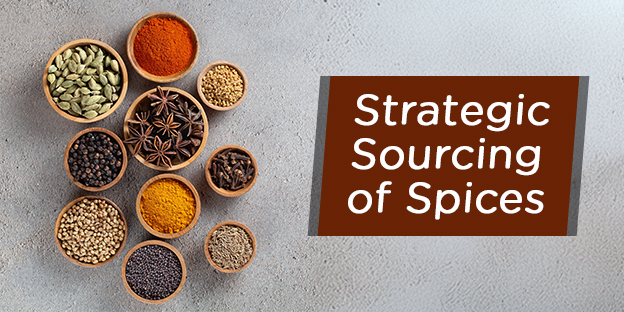
Strategic Sourcing of Spices: How B2B Buyers Reduce Cost Without Compromising Quality

In spice procurement, the need to stick to a budget is important. But not at the cost of losing quality. The mistake most B2B buyers make is treating those two as opposing forces.

They aren’t.

The buyers who actually control cost over time aren’t the ones chasing the lowest quote. They’re the ones who understand where cost leaks out of the system and fix those points instead of negotiating harder.

That’s what strategic sourcing of spices really looks like in practice.

Strategic Sourcing and Procurement: How They Work Together?

Strategic sourcing and procurement aren’t separate functions; they’re two sides of the same system. Strategic sourcing decides who to buy from and why. Procurement takes that decision and makes sure buying actually happens, on time, within budget, and in line with contracts.

When these two work in isolation, organisations end up reacting to shortages, price spikes, or supplier failures. When they work together, procurement teams can plan, manage risk, and control costs instead of constantly firefighting.

In practice, strategic sourcing feeds procurement with data-driven insights on suppliers, pricing models, and risk exposure. Procurement then executes those decisions consistently across categories and regions. That alignment turns procurement from a transactional role into a real value driver for the business.

7-Step Strategic Sourcing Process:

Below is a practical 7-step strategic sourcing process that B2B buyers use to move from requirement to contract in a structured, repeatable way.

Step 1: Identify Strategic Sourcing Opportunities –

The process starts with understanding what the organisation is buying and why. Purchases are grouped into logical categories, such as raw materials, packaging, logistics services, or indirect spend.

Spend data is then analysed to spot patterns, inefficiencies, and risk areas. High-value, high-volume, or high-risk categories are usually the first candidates for strategic sourcing.

Step 2: Research and Identify Potential Suppliers –

Once priorities are clear, buyers build a long list of potential suppliers. This can include existing vendors, industry databases, trade shows, referrals, and market research.

Suppliers are evaluated based on financial stability, market reputation, technical capabilities, pricing and volume distribution. Evaluating suppliers on all these points establishes potential supplier characteristics that will lead to finding a vendor that is able to fulfil the requirements of the business.

Step 3: Develop the Sourcing Strategy & Evaluate Suitability –

With initial data in hand, the sourcing team defines how the sourcing event will run. This includes deciding whether to use an RFI, RFP, RFQ, or auction, setting timelines, and determining how volumes or regions will be grouped.

As part of the preparation process for the sourcing event, additional considerations about the business may be taken into account as well. Ethical practices, environmental standards, regulatory compliance, and long-term partnership potential are factored into supplier evaluation.

Site visits, sample testing, and face-to-face discussions are often used to validate claims and assess real capability.

Step 4: Release RFx (Request for x) and Analyse Supplier Proposals –

The RFx is issued, and supplier engagement begins. During this phase, sourcing teams manage communication, clarify questions, and collect submissions.

Proposals are reviewed against predefined criteria such as pricing, technical fit, quality standards, service levels, and compliance. Many organisations use scorecards to compare suppliers objectively.

Based on this analysis, a shortlist is created for final negotiations.

Step 5: Negotiation & Supplier Selection –

Generally, there will be ongoing negotiations with many suppliers to create a competitive environment for providing goods and/or services; this competitive environment should facilitate the determination of the best supplier that meets your organisation’s needs.

To select the best supplier for your organisation, a multidisciplinary decision-making committee will be used to evaluate and approve the selected supplier based on their compliance with operational, financial, and strategic requirements. To create the foundation for long-term supplier partnerships, the selected supplier will be identified using this step.

Step 6: Contract Negotiation and Finalisation of Supplier Agreement –

After a supplier has been selected, contracts will be prepared and finalised. Legal counsel will review the contracts to ensure that they comply with applicable laws and regulations and that the contract is clear, enforceable, and has consistent definitions of terms.

This process will work to eliminate any ambiguity and establish mutual expectations (for both the supplier and the purchasing organisation). Upon execution, the supplier contract defines the purchaser’s agreement to execute the supplier’s orders and to utilise that supplier with confidence.

Step 7: Continuous Supplier Review and Improvement –

Strategic sourcing will continue after executing a supplier contract. The supplier’s performance, delivery performance, price performance, service performance, etc., will be tracked by using predefined Key Performance Indicators (KPI) that have been established between the supplier and the purchasing organisation.

The purchaser will conduct regular reviews on a regular basis to identify opportunities for improvement that may be achieved through process changes, through renegotiation, or through collaboration with suppliers. When issues arise, corrective actions will be taken to prevent the situation from escalating.

The sourcing strategy will remain responsive to market changes and/or the changing needs of your business.

Why This Matters for B2B Buyers?

When sourcing and procurement follow this structured approach, organisations gain more than cost savings. They get predictability, reduced risk, stronger supplier relationships, and better control over the entire supply chain.

This is exactly where strategic sourcing stops being a theoretical framework and starts delivering real, measurable value.

How Kisan Agro Fits Into Strategic Spice Sourcing?

Kisan Agro a leading spices exporters in India, works with B2B buyers who prefer predictability over price games.

The focus stays on:

  • Origin-appropriate raw spice sourcing.
  • Controlled processing and batch consistency.
  • ISO- and HACCP-aligned systems.
  • Export documentation that doesn’t need follow-ups.

For food manufacturers and industrial buyers, this translates into smoother operations, cleaner audits, and fewer sourcing surprises across the year.

Final Thoughts:

Strategic sourcing of spices isn’t a theory. It’s a response to how messy real procurement can get. Buyers who understand their specs, choose capable suppliers, and measure cost beyond the invoice consistently spend less over time, even if the starting price looks higher.

If you’re reviewing how you source spices for manufacturing or bulk supply, Kisan Agro helps build sourcing models that hold up in real conditions, not just spreadsheets.

FAQs:

1] How can Strategic Sourcing help reduce costs?

Strategic Sourcing will identify and eliminate all the hidden costs of doing business that are typically associated with inconsistent product quality, delays, and poor quality failures.

2] What are the 7 steps of strategic sourcing?

The seven steps typically include identifying sourcing needs, analysing spend, researching and shortlisting suppliers, developing a sourcing strategy, evaluating proposals and negotiating, finalising contracts, and then monitoring supplier performance for continuous improvement.

3] How can procurement teams develop and implement effective strategies for procurement cost reduction?

Reducing variability, planning logistics early, and working with stable suppliers.

4] Is it cheaper to source from origin countries?

In some cases, yes, but only if the suppliers have adequate processing and shipping capabilities.

5] What certifications matter for bulk spice sourcing?

ISO certification, HACCP compliance, and documented traceability.

6] What is the total landed cost in spice sourcing?

The full cost of procurement, beyond the invoice—freight, losses, handling, and risk.

7] Should I source from a trader or a manufacturer?

Choose capability over labels. Manufacturer-exporters often offer better control.

8] How important is traceability for B2B buyers?

Extremely. It limits recalls and protects financial exposure.

9] What’s the biggest sourcing mistake buyers make?

Chasing low prices without accounting for quality, logistics, and compliance risks.
kisan agro isabgol powder supplier in india

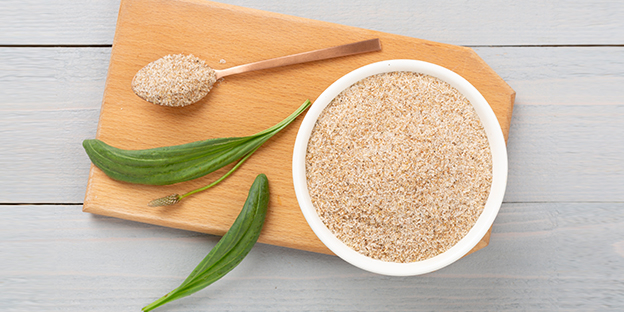
How to Choose a Reliable Isabgol Powder Supplier in India?

For generations Indian households have sticked to a simple and natural remedy for digestive wellness which is Isabgol or Psyllium Husk. When water is mixed with psyllium husk or powder it transforms into a smooth gel that works wonders. From promoting healthy digestion and relieving constipation to supporting heart health by managing cholesterol and even aiding in weight management by creating a feeling of fullness.

The benefit of psyllium is vast and therefore it is a true gift from nature. However, the very popularity of Isabgol powder presents a modern challenge. Various brands and suppliers are flooding the market and it becomes difficult to ensure if one is getting the right purity and quality product.

Choosing a wrong isabgol powder supplier can mean compromised purity and low-quality product ultimately making you lose your customer’s trust. Below is the guide that will help you identify a reliable Isabgol powder supplier in India.

1] Transparency and Communication to be Prioritized:

A trustworthy supplier will never hide anything right from the first inquiry. They will always be responsive and would be willing to share all requested information. Check if they clearly explain their process and provide a detailed product specification sheet. A reliable partner is proactive in communication and will see your questions as a sign of a serious business relationship and not a nuisance.

2] Scrutinize Certifications and Compliance:

Certifications and compliance is an important aspect as it highlights an independent validation of a supplier commitment to quality and safety. Check for certifications like FSSAI, BRC, Organic Certifications (USDA, EU, India Organic), GMP and ISO certifications.

3] Check Quality Control Process:

Quality control process is the most important process for a manufacturer. Ask your potential suppliers about their in-house quality control labs. Whether they analyse every batch and if they then what all parameters are analysed. Some of the key parameter includes purity, moisture, swelling index, heavy metals and microbiological count.

4] Understand their Sourcing and Traceability:

The quality of Isabgol begins in the soil. Since Gujarat and Rajasthan are the only place in the world where the best psyllium is grown therefore a reliable supplier will have strong and direct relationships with farmers in these regions. This not only ensures the best raw material but also allows for traceability. This control over the supply chain from “farm to factory” is a hallmark of a superior supplier.

5] Ask for Samples and Test Reports:

Never commit to a large order without testing the product yourself. A confident supplier will provide a free sample along with its Certificate of Analysis for that batch. Feel the texture, check the color (it should be a pale off-white), test the swelling index and assess the taste and smell (it should be neutral).

6] Consider Experience and Market Reputation:

Check as in how long the supplier has been in the business as a long term presence indicates stability and expertise. Check for their client testimonials or ask them for references.

In your search for a partner that has all these qualities, Kisan Agro will emerge as a trustworthy name as a manufacturer and supplier of the top notch for both Organic and Conventional Psyllium Seeds, Psyllium Husk Whole and Psyllium Husk Powder.

What truly sets them apart is their extremely strict and multi-staged quality control system. Every single batch is produced and checked against the client specific requirements and specifications. When you choose Kisan Agro, you choose peace of mind. You get more than a quality product; you get a partner dedicated to protecting the natural benefits of Isabgol. We deliver it with reliable purity and consistent quality, every single time.

FAQs:

What is Isabgol powder and why is supplier reliability important?

Raw materials are sortex cleaned and these psyllium seeds are then processed to obtain the husk. The husks are then further grinded to obtain Isabgol Powder. Supplier reliability is important as guarantee the quality, safety and reliability of the Isabgol Powder.

What certifications should a trustworthy Isabgol powder supplier have?

A trustworthy Isabgol powder supplier will mandatorily have FSSAI, Organic, GMP and BRC/ISO certifications. These certificates proves that the supplier adheres to strict hygiene, safety and quality management standards.

How can I verify the quality of Isabgol powder?

Always request a batch specific Certificate of Analysis from the supplier which shows the lab test results. Also ask them for a sample to check its colour, texture and smell. Determination of swelling index is also an important way to verify the quality of Isabgol power.

Why is sourcing location important when choosing an Isabgol supplier?

India is the only country where 90% of world psyllium is grown. Gujarat and Rajasthan are the only two states in India where most of these farms are located. The soil and climate there produce husk with the highest swelling index. A supplier based in or directly sourcing from this belt ensures access to the best raw material which directly translates to a more effective final product.

Why should you choose Kisan Agro as your Isabgol powder supplier?

Kisan Agro has many years of experience. They focus on quality control that is tailored to each customer as they have the latest technology in place for Isabgol powder production. They do not use the same method for everyone and their careful steps ensure that every batch matches exactly what the client asks for. With 100% traceability of their products for every batch, we are widely chosen by the businesses around the world, know more about us.

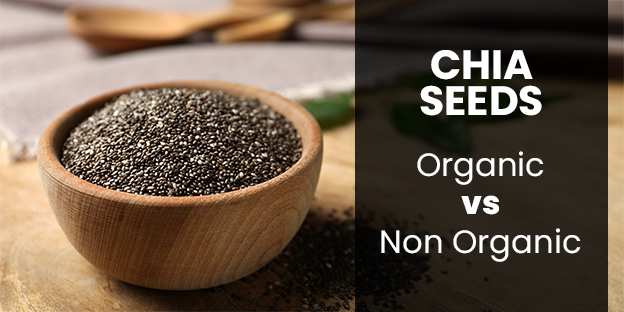
Chia Seeds - Organic vs Non Organic

Organic vs. Non-Organic Chia Seeds: Which Should You Buy?

What are Chia Seeds?

Chia seeds are quite small in size, however, they have a significant contribution to make, to the current market of healthy foods and ingredients. Chia seeds are used for a variety of products ranging from smoothies to bakery items and cereals to functional foods and animal feed.

As a buyer, importer, brand owner, or food manufacturer, one question you are likely asked relatively early in the procurement process is  “Would you purchase organic or conventional chia seeds?”

The answer will depend on your product positioning, target market, and long-term goals for procurement. Now, let’s examine the differences in a more direct fashion.

What Are Organic Chia Seeds?

Organic chia seeds are cultivated with the help of organic methods. It means that no one uses pesticides, fertilizer, and genetically modified seeds. Farmers only try to take care of their soil through pest management, crop rotation etc.

For many companies, organic chia seeds mean much more than a simple ingredient. Organic chia seeds attract consumers with clean labels, organic products, as well as those focused on the environment.

What Are Non-Organic (Conventional) Chia Seeds?

Non-organic chia seeds are made using modern farming methods which might involve the use of controlled fertilizers and pesticides. Such methods enable the farm to have stable production.

Conventional chia seeds are still safe for consumption and are commonly applied in the processing of foods, animal feed, and manufacturing, where cost and accessibility are important.

What’s the Key Difference Between Organic and Non-organic Chia Seeds?

The main difference is in the cultivation of the seeds. Organic chia seeds are cultivated without the use of agrochemicals, while non-organically grown chia seeds may employ authorized agricultural inputs for the promotion of the plant’s growth and protection against damage.

Aspect Organic Chia Seeds Non-Organic Chia Seeds
Farming method Grown without synthetic pesticides, herbicides, or chemical fertilizers May be grown using synthetic pesticides, herbicides, and fertilizers
Pesticide residue Minimal to none (regulated under organic standards) Possible presence of pesticide residues
GMO status Must be non-GMO by organic certification rules May or may not be non-GMO (label dependent)
Environmental impact More eco-friendly; supports soil health and biodiversity Potentially higher environmental impact due to chemical use
Certification Certified by recognized organic authorities (e.g., USDA Organic, EU Organic) Usually no organic certification
Nutritional value Nutritionally very similar to non-organic chia seeds Nutritionally very similar to organic chia seeds
Taste & appearance No significant difference No significant difference
Cost Generally more expensive Usually more affordable
Availability Sometimes limited depending on region Widely available

Do Organic Chia Seeds Offer More Nutrients Than Non-organic Ones?

From a nutritional perspective, both forms are almost identical. Both chia seeds, by their nature, contain fiber, omega-3, protein, and minerals. There is no significant variation when it comes to their nutritional value.

Consumers cannot distinguish easily between organic and conventional chia seeds in terms of taste. Both types of seeds have light color and texture, so it is difficult to differentiate.

Therefore, the essential factors that define quality thus belong to post-harvest handling processes such as cleaning, drying, sorting, and storage. Even organic chia seeds will fail to be of quality if the management of the processes mentioned above is not done effectively. It is therefore important to consider quality in addition to certification.

Nutrient Category Organic Chia Seeds Non-Organic Chia Seeds Comment
Protein High (similar to general chia) High (same base levels) Both deliver ~16–18 g protein per 100 g (based on standard chia nutritional data).
Omega-3 Fatty Acids (ALA) High (may be modestly higher) High Possible slight increase in organic due to soil health; both are rich sources
Fiber High (same as general chia) High Both have ~30 g+ fiber per 100 g.
Minerals (Ca, Mg, P, etc.) High (some reports say higher) High Organic seeds sometimes report elevated mineral/antioxidant levels, but not huge differences.
Antioxidants Potentially higher Lower (relatively) Organic farming may boost antioxidant compounds.
Vitamins (B-complex, etc.) Present Present Similar in both.
Pesticide residues Minimal/none Possible traces Not a nutrient, but notable for food safety differences.

Pricing and Supply Considerations:

Organic chia seeds will cost more. Organic farming requires higher labor input, organic certification, as well as strict adherence to organic practices, which may entail low production.

Inorganic chia seeds are more economical and easier to procure in bulk. The seeds can therefore be ideal for purchase by those that need a large quantity of the seeds in a constant supply.

How Can I Be Sure an Organic Chia Seed Product Is Truly Organic?

Always request valid organic certification, such as: USDA Organic, EU Organic, India Organic. The certificate shall be current, verifiable, and traceable to the supplier and production lot.

Where Can I Buy Organic Chia Seeds in Bulk for My Business?

You can find bulk organic Chia seeds from suppliers or exporters who can provide you with the organic Chia seeds on a large scale along with required certifications. You can find one such manufacturer and exporter as KISAN AGRO.  Inquire best prices with 100% guarantee of organic certification.

Kisan Agro is a leading name in chia seeds export from India, supplying premium-quality seeds to buyers across international markets. As a trusted chia seed wholesale supplier, Kisan Agro offers bulk quantities with assured purity, competitive pricing, and reliable logistics. We are trusted organic products manufacturers and exporter of spices and seeds. Know more about us.

How Do I Verify Quality Before Buying?

Before making a bulk purchase, it is important to request product specs, laboratory test results, and samples. Some of the most important checks to make when purchasing the product are the levels of purity, moisture, cleanliness, microbiological safety, and packaging along with organic certifications.

Organic or Non-Organic Chia Seeds: Which Is Right for You?

In a case if your brand is more concerned about organic certification, sustainability, and premium branding, you might consider using organic chia seeds.

However, if it is your top goal to be price competitive, have a steady supply of volumes, and be flexible regarding applications related to food and feed, then non-organic chia seeds might be a good choice.

In each situation, the most critical elements are the same: quality, traceability, consistency, and confidence in your supplier.

Looking for a Reliable Bulk Supplier of Chia Seeds?

Whether you will be purchasing conventional chia seeds or the organic varieties, finding the right exporters to work with will be an ideal move in your procurement process. The process of acquiring chia seeds could be relatively easy, especially if you choose the right people to steer you through this process.

If you are considering bulk sourcing for a food or a feed project, you can contact us now.

tips for global buyers for selecting trustworthy spices exporters

What Makes a Spices Exporter Trustworthy? Warning Signs Global Buyers Should Watch For

In the global spice market, trust is everything. Spices are high-value agricultural products, yet they are among the most adulterated commodities worldwide. Importers rely on exporters to deliver pure, safe, and consistently high-quality products. Yet with rising cases of adulteration, mislabeling, and non-compliance, choosing the right spices exporter has become more critical than ever.

For international buyers, choosing the wrong spices exporter can lead to quality issues, rejected shipments, financial loss, and damage to brand reputation.

For global buyers, working with a reputable certified spices exporter company like Kisan Agro ensures reliability, transparency, and international-grade quality standards.

Below, we break down what truly makes a spices exporter trustworthy and what warning signs buyers should never ignore.

Why Trust Matters in the Spice Export Business?

Spices travel long distances before reaching end consumers. Along the way, risks such as adulteration, contamination, improper handling, and documentation errors can occur. A trustworthy exporter ensures that the product remains safe, authentic, and compliant from farm to final delivery.

Key Qualities of a Trustworthy Spices Exporter:

A credible exporter consistently demonstrates the following qualities:

1] Proven Industry Experience –
Established exporters have years of market knowledge, stable supply chains, and repeat international clients.

2] International Certifications –
Certifications show compliance with global food safety and quality standards.

3] Strong Quality Control Systems –
From sourcing to packaging, every step must be monitored and documented.

4] Traceability from Farm to Shipment –
Buyers should be able to trace spices back to their origin—farm, region, and processing facility.

5] Clear Communication –
Reliable exporters respond promptly, share test reports, and provide honest timelines.

Spices Adulteration: Warning Signs

What Is Spices Adulteration?

Spices adulteration involves adding cheap, harmful, or artificial substances to enhance color, weight, or appearance. This practice compromises safety and quality.

Common Types of Spices Adulteration:

  • Artificial colors in chili powder
  • Brick powder or sawdust in ground spices
  • Papaya seeds mixed with black pepper
  • Excess moisture increases weight
  • Chemical dyes to enhance visual appeal

Why Adulteration Is Dangerous?

Adulteration is a serious problem that threatens human health and safety. It involves the mixing of harmful, cheap, or low-quality substances with food, or daily-use products to increase profit. Consuming adulterated food can lead to food poisoning, digestive problems, and long-term diseases such as kidney failure or cancer. It reduces the nutritional value of food and can cause malnutrition, especially in children.

Adulteration also affects medicines, making treatments ineffective or dangerous. Besides health risks, it destroys consumer trust and is a punishable offense by law. Therefore, adulteration is dangerous and must be strictly controlled. Exporters who prioritize ethics and testing help eliminate adulteration risks.

How to Spot Adulterated or Poor-Quality Spices?

Identifying adulterated or poor-quality spices helps protect our health. One common method is to observe color and texture. Artificially colored spices often appear unusually bright or glossy. Another way is to smell the spice; pure spices have a strong natural aroma, while adulterated ones may smell weak or chemical-like.

Water tests can also help detect adulteration. For example, when turmeric or chili powder is mixed with water, artificial colors may quickly spread in the water. Whole spices such as cumin or coriander should sink in water, while light impurities may float. Rubbing spices between fingers can also reveal adulteration pure spices leave natural stains, not gritty or sticky residues.

Buying spices from reliable sources, checking proper packaging, and avoiding extremely cheap products are good preventive measures. Reading labels and checking expiry dates also help ensure quality. Being alert and informed can help consumers avoid adulterated spices and maintain good health.

Why Supply Chain Transparency Is Essential?

Supply chain transparency refers to the ability to track and share information about how products are sourced, manufactured, and delivered. It is essential because it helps ensure product quality and safety. When companies clearly disclose their supply chain processes, it becomes easier to identify defects, contamination, or unethical practices at an early stage.

Transparency also builds consumer trust. Customers are more confident when they know where products come from and how they are made. It promotes ethical practices, such as fair labor conditions, environmental protection, and responsible sourcing. Companies with transparent supply chains are better equipped to comply with laws and regulations, reducing legal risks.

Additionally, supply chain transparency improves efficiency and accountability. It helps businesses identify bottlenecks, reduce waste, and respond quickly to disruptions. In today’s global market, transparent supply chains are essential for sustainability, risk management, and long-term business success.

Trusted Spices Exporters in India like KISAN AGRO maintain clear documentation and traceability, giving buyers confidence in every shipment.

Final Thoughts:

Choosing the right spices exporter is not just about price it’s about quality, safety, and trust. By partnering with a reliable exporter like KISAN AGRO, global buyers protect their brand, customers, and business future. Contact us now.

FAQs:

1. What are the key qualities of a trustworthy spices exporter?

Experience, international certifications, strong quality control, transparency, and ethical sourcing.

2. Which certifications indicate that a spices exporter is credible?

ISO, HACCP, FSSAI, ASTA/ESA, and organic certifications signal reliability.

3. How can I verify the authenticity of an exporter’s certifications?

Cross-check certificate numbers with issuing bodies and request audit reports.

4. What quality-control measures should a trustworthy exporter follow?

Testing for purity, contaminants, moisture, microbiology, and full traceability.

5. What are common red flags when evaluating a spices exporter?

Unverified certifications, unusually low pricing, and a lack of transparency.

6. How do I spot adulterated or poor-quality spices?

Look for unnatural color, chemical smell, inconsistent texture, and missing lab reports.

7. Why is transparency in the supply chain important?

It ensures safety, consistency, compliance, and long-term trust between buyers and exporters.

benefits of chia seeds

Benefits of Chia Seeds – A Complete Guide

Tiny seeds. Big nutrition. The best way to describe chia seeds is by calling them a “superfood.” Once a staple for ancient Aztec warriors, they are now a modern superfood with a great deal of nutritional density as well as a wide variety of uses.

In this guide, we’ll outline the special qualities of chia seeds, their nutritional profile, their health benefits, and the easiest ways to incorporate chia seeds into your diet.

Nutritional Profile of Chia Seeds:

Chia seeds come from Salvia hispanica L., a desert plant native to Central America. These seeds are small, tasteless, and easy to add to almost any meal. It doesn’t require any additional cooking.

Nutrition Facts (per 1 oz / 28 g serving) –

Nutrient Amount % Daily Value (Approx.)
Calories ~138 kcal
Protein ~4.5–5 g 9%
Total Fat ~8.5–9 g 11%
Omega-3 (ALA) ~5 g
Carbohydrates ~12–13 g 4%
Dietary Fiber ~10–12 g 40–45%
Calcium ~177 mg 18%
Magnesium ~95 mg 23%
Phosphorus ~244 mg 25%

Why they matter:

Each spoonful provides a balanced blend of omega-3 fats, fiber, protein, and essential minerals. This makes chia one of the most nutrient-dense plant foods available. Making it ideal for vegetarian and vegan diets that need more omega-3 and calcium sources.

Major Health Benefits of Chia Seeds:

1. Heart and Cardiovascular Health –

Chia seeds are naturally rich in omega-3 fatty acids (or ALA). Along with omega-3, they contain a lot of fiber and antioxidants. This combination essentially works really well to maintain heart and cardiovascular health.

By including chia seeds in your daily diet, you can reduce inflammation in your body, balance your cholesterol levels, and maintain a normal blood pressure level. Moreover, the fiber and antioxidants make sure that your blood vessels function properly.

2. Digestive Health and Gut Function –

Chia seeds are about 40% fiber, making them among the highest sources of fiber available. Chia seeds have soluble and insoluble fibers. The soluble fiber in chia is converted into a gel in the intestinal tract, which helps the body pass stool effortlessly, while the insoluble fiber provides bulk to the stool. The combination of these two types of fiber keeps the digestive system healthy.

Consuming chia seeds regularly assists in maintaining healthy gut flora and regular bowel habits, thus providing an overall healthy digestive system.

3. Weight Management and Satiety –

As you already know, when you soak chia seeds, they expand. This natural swelling helps the stomach feel fuller for longer, thus cutting down the need to overeat or binge eat.

Additionally, chia has a small amount of protein, which helps sustain energy levels throughout the day (no sharp spikes in hunger).

4. Blood Sugar Regulation –

Chia provides a unique benefit in regulating blood sugar levels. It slows down the digestion and absorption of carbohydrates and will therefore produce a steadier glucose level. And over time, it improves insulin sensitivity in the body. This results in improved metabolic health and balanced energy throughout the day.

5. Bone and Mineral Health –

Chia is an excellent source of calcium, magnesium, and phosphorus — all three of which are essential for bone, tooth, and muscle health. For those who do not consume dairy, chia can be a valuable source of calcium and a natural method of supporting long-term bone health.

6. Antioxidant and Anti-Inflammatory Support –

Chia carries several natural antioxidants, including quercetin and chlorogenic acid, which help limit the damage caused by free radicals. In addition to the minerals and omega-3 fats found in chia seeds, these compounds have been shown to reduce inflammation that may affect the heart, joints, and skin over time.

7. Everyday Wellness –

  • For skin: The nutrients and antioxidants in chia may help maintain skin softness and hydration.
  • For plant-based diets: Its balanced mix of fiber, minerals, and plant protein makes it an easy way to boost nutrition without altering flavor or texture.

Benefit–Nutrient Mapping:

Health Benefit Key Nutrients / Compounds
Heart health Omega-3 (ALA), antioxidants, fiber
Digestive health Soluble + insoluble fiber
Weight management Fiber, protein
Blood sugar balance Soluble fiber
Bone health Calcium, magnesium, phosphorus
Anti-inflammation Omega-3, antioxidants

How to Incorporate Chia Seeds into Your Diet?

Chia seeds have no strong taste, which makes them incredibly easy to use.

Simple ways to add them:

  • Mix a spoonful into smoothies or yogurt.
  • Stir into oatmeal, porridge, or soups.
  • Add to baked goods like muffins or breads.
  • Soak in milk overnight for a quick chia pudding.

Usage guidelines:

  • Serving size: 1–2 tablespoons daily.
  • Soak before use: Let them sit in water or milk for 10–15 minutes.
  • Hydration: Hydration is key to healthy fibers. In order to experience the true benefits of fiber, you must be properly hydrated.

Precautions & Safe Use:

  • Begin with small amounts of fiber: Fiber is best used when you first start eating it slowly. Begin with a teaspoon and then gradually increase from there.
  • Stay hydrated: Chia seeds can absorb approximately 9 times their weight in water. Without proper hydration, it may lead to uncomfortable bloating after consumption.
  • Soak before eating: Soak your chia seeds if you plan on consuming more than 1 tablespoon. You’ll be able to digest chia seeds more easily if they have been soaked in water before consumption.
  • Have realistic expectations: While chia seeds do have some health benefits, they are not a miracle food or a “cure-all”. For the best health and wellness, you should eat a balanced diet and make healthy lifestyle choices.

Conclusion:

In addition to being high in omega-3 fatty acids and antioxidants, chia seeds are an excellent source of fibre and protein. They help promote a healthy heart and digestive system, regulate blood sugar levels, and build strong bones. Chia seeds also keep you feeling full longer than other foods and can easily be added to your everyday meals.

When added wisely and paired with hydration, chia seeds can be one of the simplest upgrades to your everyday diet.

If you’re looking for bulk or retail-ready chia seeds, Kisan Agro a leading chia seeds suppliers and manufacturer supplies cleaned, sorted, and food-grade chia that meets international quality standards.

Reach out to us for consistent quality, certified processing, and dependable bulk supply.

FAQs:

1] What are the main health benefits of chia seeds?

Chia seeds help with improving heart, gut, and bone health. It also helps with weight control because they help you stay full longer, all while providing omega-3 and antioxidants required for your body.

2] Are chia seeds good for weight loss?

Yes, the fiber and protein in chia seeds help increase fullness, which helps you manage your diet accordingly.

3] How do chia seeds help with digestion?

The soluble fiber in chia seeds absorbs water, softens stool, and promotes healthy bowel movements.

4] Can chia seeds improve heart health?

Their omega-3s and antioxidants may help lower cholesterol and reduce inflammation.

5] Is it better to eat chia seeds soaked or dry?

Always have soaked chia seeds as they are safer and easier to digest.

6] Are chia seeds suitable for people with diabetes?

Yes, chia can help stabilize blood sugar when included as part of a balanced diet.

Choosing Dehydrated Onion Manufacturer

How to Choose a Reliable Dehydrated Onion Manufacturer: Buyer’s Checklist

In the world of food processing and ingredient supply, dehydrated onions have become a staple saving time, reducing waste, and delivering consistent flavour to kitchens and industries across the globe. But with so many manufacturers out there, how do you pick the right one? A wrong choice can lead to poor quality, delay in supply, or compliance issues… and nobody wants that!

To make your selection easier, here’s a simple yet smart buyer’s checklist to ensure you partner with a truly reliable dehydrated onion manufacturer.

What should I look for first when evaluating a dehydrated onion manufacture?

Food Safety and Quality Certifications:

This is your foundation before pricing, samples, or logistics, you must ensure the manufacturer follows globally recognized standards. These certifications confirm that their production process is hygienic, traceable, and compliant with international food regulations.

Which certifications indicate a trustworthy dehydrated onion supplier?

Certification / Standard Purpose / Description
FSSC 22000 / ISO 22000 Food safety management system compliance
HACCP Hazard control and hygiene practices
BRCGS Global food safety standard (important for EU/UK buyers)
FDA Registration Mandatory for U.S. exports
Kosher & Halal Required for specific market or religious compliance
Organic Certification (e.g., USDA Organic, India Organic) Needed if organic products are required

How important is product traceability in dehydrated onions?

Traceability is very important when buying dehydrated onions. It means we can easily know where the onions came from, how they were grown, and how they were processed. If any issue happens, the supplier can quickly find the source and fix the problem.

Good traceability also shows that the supplier is honest and follows food safety rules. It gives buyers confidence that the product is clean, safe, and exactly what they ordered.

What product forms should a good manufacturer offer?

A good, dehydrated onion manufacturer should be able to provide different forms of onion to match different customer needs. Common options include:

  • Flakes– for soups, noodles, ready meals, etc.
  • Chopped / Minced– used in sauces, snacks, and seasonings
  • Granules– perfect for spice blends and mixes
  • Powder– for instant foods, masalas, and flavouring

Having multiple forms available shows that the manufacturer is flexible and capable of serving different industries and applications.

What quality-control processes should a reliable dehydrated onion manufacturer follow?

A reliable dehydrated onion manufacturer should have strong quality-control steps at every stage. This includes:

  • Careful raw material selection: Using clean, healthy onions sourced from trusted farms.
  • Strict hygiene and food-safe processing: Maintaining clean machinery and facilities to prevent contamination.
  • Regular product testing: Checking moisture content, color, taste, and ensuring food safety (including microbial tests and foreign matter checks).
  • Metal detection and sorting systems: Ensuring all unwanted particles are removed before packing.
  • Proper packaging and storage: Keeping products fresh and protected from moisture.
  • Traceability and documentation: Tracking every batch from the farm to the final shipment for complete transparency.

These processes ensure that buyers receive safe, clean, and consistent-quality dehydrated onions every time.

How important are factory visits or third-party inspections?

Factory visits or third-party inspections are very important when choosing a dehydrated onion manufacturer. They help you see the real working conditions, hygiene standards, and production capabilities. You can check whether the supplier is truly following what they promised in their documents.

If you cannot visit in person, having a trusted third-party inspector is a great option. They can review the facility, check the product quality, and give you a neutral report.

Overall, inspections build trust and reduce the risk of quality issues in future orders.

How can I assess the hygiene standards of the manufacturer’s facility?

To check a manufacturer’s hygiene standards, you can look for a few key things:

  • Clean and organized workspace – no dust, waste, or food lying around
  • Workers following hygiene rules – wearing gloves, masks, hairnets, and proper uniforms
  • Good handling of raw materials – onions and finished products kept off the floor and protected from contamination
  • Proper equipment cleaning – machines regularly cleaned and maintained
  • Pest-control measures – no insects or rodents in production or storage areas
  • Strong food safety certificates – such as HACCP, ISO22000, BRC, etc., which prove good hygiene practices
  • Strong storage system – products stored in clean, dry, and temperature-controlled areas

If possible, visiting the facility or asking for recent inspection reports and photos/videos will give you even more confidence about their hygiene standards.

Why is the moisture content important in dehydrated onions?

Moisture content is one of the most important quality factors in dehydrated onions. If the moisture level is too high, the product can easily spoil — it may grow mold, lose flavor, or become lumpy during storage. But when moisture is kept low (usually around 4–6%), the product stays fresh, crispy, and safe for a long time.

Low moisture also helps the product rehydrate better when cooked and makes shipping easier because there is less weight and no risk of early spoilage.

In short, the right moisture content keeps dehydrated onions safe, tasty, and long-lasting.

How do I know if the dehydrated onions are naturally processed?

To check whether dehydrated onions are naturally processed, you can look for a few key signs:

  • No added chemicals or artificial preservatives – the ingredients list should mention only “onion.”
  • Natural colour and aroma – they should look and smell like real onions, not too white or too artificial.
  • Certifications – look for food safety and natural product certifications that ensure clean processing methods.
  • Supplier transparency – a good supplier will clearly explain their drying process (usually hot air drying) and allow inspections or documentation.
  • Lab reports – test reports can show if any harmful chemicals or additives are present.
  • Traceability – being able to track onions back to the farm shows genuine natural sourcing.

Can I request sterilized dehydrated onions?

Yes, you can request sterilized dehydrated onions. Many manufacturers offer sterilization (such as steam sterilization) to reduce microbial levels and ensure extra food safety. This is especially important if the onions will be used in ready-to-eat foods, seasoning blends, or products with strict safety standards.

For more information, you can visit our website at Kisan Agro for dehydrated products. They are one of the largest exporters of dehydrated items, supplying worldwide while consistently maintaining high quality and reliable service. Contact us now.

Different Types of Lentils

What are Types of Lentils?

Lentils are among the world’s most nutritious and versatile foods. They’re high in plant protein, fiber and important minerals, and they’ve served as a core ingredient of Middle Eastern, Mediterranean and Indian diets for centuries. In this blog we will discuss the types of lentils.

At Kisan Agro, we are proud to present the premium quality lentil and pulses that conform to global standards of taste, quality and hygiene. From home cook to bulk buyer, you can buy the canoe-shaped flower that comes in a variety of types, so you find the right fit for your kitchen or business.

Below are the types of lentils:

1] Brown Lentils –

They are among the most eaten lentils in the world. Because of their dense texture and nice, mild earthy flavor, they have a great taste that is very flexible. Commonly Used In Soups, stews, curries, lentil burgers.

Kisan Agro Insight: We source and pack our brown lentils with utmost attention to preserve its natural flavour and nutrients, both for retail as well as bulk export.

2] Green Lentils (Puy Lentils) –

Green lentils, also called French or Puy lentils, are firm and taste faintly of pepper. They are great for gourmet dishes which they do not fall apart when cooked. These lentils are generally served in Salads, grain bowls, and side dishes.

Kisan Agro Insight: Directly procured from trusted farms guaranteeing consistent size and quality, our green lentils are high in protein and fiber.

3] Red Lentils –

The fastest-cooking lentils are red ones, and when we cook them a long time they get soft and creamy. You’ve probably had them in Indian dals, soups and purees. Mostly used in Dal, soups, curries, baby food.

Kisan Agro Overview: Kisan Agro’s machine cleaned and quality tested whole red lentils have an average size with a varims texture that is perfect for exports and a variety of creamy dishes.

4] Yellow Lentils –

Toor dal and moong dal are two of the yellow lentils most often found at Indian homes. They have a subtle nutty taste and creamy texture when cooked. Indian dal, khichdi, soups and curries are made with yellow lentils.

Kisan Agro Overview: We hygienically process both organic and conventional yellow lentil for its freshness and nutrients.

5] Black Lentils (Beluga Lentils) –

Like beluga caviar, black lentils are small, gleaming, and have a rich flavor. They enhance the appearance of any dish and maintain their shape after cooking. These lentils are generally used in Salads, pilafs, side dishes.

Kisan Agro Insight: Our black lentils are uniformly sized, high in protein, and ideal for both retail and bulk packaging. They are also graded for export quality.

Nutritional Benefits of Lentils:

All the lentils, no matter which one you choose, are powerhouses with regard to nutrition.

  • They are packed with plant-based protein, making them perfect for both vegans and vegetarians.
  • There is high Dietary Fiber which helps in heart and digestive health.
  • They contain magnesium, folate and iron.
  • They’re naturally gluten-free and low in fat so that is why it’s lacto-ovo vegetarian.

Why choose Kisan Agro For Pulses & Lentils?

At Kisan Agro, we are proud to bring premium quality lentils and pulses from India to our international clients.

  • Vast Spectrum:At a same place, you can get red, brown, yellow, green and black lentils.
  • Quality Guarantee:Export certified, purity tested, machine cleaned.
  • Organic & Conventional Options:Sourced from trusted farms.
  • Custom Packaging: Available for orders in bulk, retail or private label.
  • Global Exporter: Trustworthy pulses supplier to over 30 countries.

We aim to deliver the best of India’s agricultural capabilities onto global shelves with freshness, consistency and reliability, which makes us leading spices exporters in India.

To buy such good quality lentils, oil seeds and many other spices please contact us now.

FAQs:

1] What are lentils?

Lentils are tiny, lens-shaped legumes packed with protein, fiber and essential nutrients. They are widely used in many cookeries and come in a variety of colours and shapes, offering distinct tastes and textures.

2] How many types of lentils are there?

Lentils come in many types, but some of the most popular are brown, green, red, yellow and black lentils. Each variety has it own cooking time, flavor and best uses. Kisan Agro offers a complete range of quality lentils and pulses from the most dependable farms.

3] What are brown lentils best used for?

Brown lentils taste slightly earthy but have a mild flavor that maintains its shape when cooking. They are best in soups, stews, salads and casseroles. Their versatility place them among the most popular types of lentils globally.

4] How are green lentils different from brown lentils?

Green lentils are firmer than those that are brown, and also a little more peppery. They also retain their shape even when cooked, so they are far more suitable for salads, side dishes and non-hot preparations whereas brown lentils are excellent for soups and warm recipes.

5] What are red lentils used for?

Red lentils cook quickly, breaking down into a soft, creamy porridge, so they are perfect for Indian dals as well as soups and purées. they are blander, ever so slightly sweet, should not be soaked before you cook them.

6] What’s the difference between whole and split lentils?

Whole lentils have the seed coat intact and hold their shape after cooking, maintaining a firmer texture. Split lentils are dehulled and split, which can make their cooking faster and give them a creamier consistency. Kisan Agro offers whole and split options based on your cooking preference or industrial needs.

7] Are lentils gluten-free?

Yes, lentils are gluten-free; hence, they are perfect for those who have gluten intolerance and for those following a gluten-free diet. They are also rich in fiber, protein, and essential minerals that make them a healthy staple for all people.

Benefits of Black Sesame Seeds

What are the benefits of Black Sesame Seeds?

TL;DR:

  • Black sesame seeds come from the Sesamum indicum plant and are rich in healthy fats, antioxidants, vitamins, and minerals.
  • Go through the benefits of black sesame seeds as they support heart, bone, skin, hair, and digestive health..
  • Commonly used in food, cosmetic, and wellness products.
  • Kisan Agro offers premium, farm-direct black sesame seeds with assured quality and reliability.

What are Black Sesame Seeds?

Black Sesame Seeds grows in the fruit pods called Sesamum indicum plant. They are generally unhulled, which means they retain the outer shell of the seed. These seeds are small, which measure about 3 millimetres in length. The seeds look like tear-drop-shaped, flat and bulbous from one end, tapering to a rounded point.

They are generally in black hue colour and are smooth with matte finish. These seeds are nutty in flavour, a bitter-sweet taste and a mild aroma. These seeds contain approximately 50% oil, which can be extracted and used as a cooking oil, ingredient in some products of the cosmetics, and as an element in pharmaceuticals.

Historically, these seeds have been used in traditional Chinese medicine as a tonic for hair health, liver and kidney. These seeds are also a good source of healthy monounsaturated and polyunsaturated fats.

The lignans in black sesame are associated with lower total cholesterol (TC), low-density lipoprotein (LDL), and triglycerides (TG) levels, all of which simultaneously reduce the risk of cardiovascular disease. These seeds are rich in minerals (calcium, iron, zinc and copper). Even they help in reducing the harmful cholesterol levels in one’s body as they are rich source of fiber called lignan fiber.

Benefits of Black Sesame Seeds:-

1] Rich Source of Antioxidants and Nutrients:

  • These seeds are the richest source of Vitamin E, which is needed for healthy skin.
  • High in nutrients like (fiber, protein and copper).

2] Rich in Minerals:

  • These seeds are rich in minerals like zinc, iron, magnesium and calcium

3] Rich in Minerals:

  • These seeds are rich in minerals like zinc, iron, magnesium and calcium

4] Enhances Digestion & Gut Health:

  • They are high in dietary fiber which promotes regular bowel movements and digestive health as well.

5] Promotes Glowing Skin:

  • They can help the skin to maintain firmness by supporting collagen and elastin production.

6] Supports Healthy Hair Growth:

  • The oil present in the seeds can moisturize the hair from inside out, which is beneficial for dry and brittle hair.

7] Boosts Heart Health:

  • They are full of antioxidants like sesamin and sesamol, which protect cells from damage, fight inflammation, and may reduce the risk of chronic diseases.

The black sesame seeds are used in multiple industries like – food and beverages, health and wellness in cosmetic industries.

There are many ways to consume these seeds, which are given below:-

  • Ground seeds are used as a seasoning for salads, pasta and in rice.
  • It is also popular in international dishes like in Black Tahini.
  • Bakers use these black seeds to garnish bread, muffins, rolls and in a cookie dough for a nutty flavour.
  • It can also be incorporated into savoury dishes like – Sushi and stir-fries.
  • They are also used to make sweet dish like – Cantonese black sesame soup.
  • The oil which is extracted from these seeds is used in moisturizing skincare products.

Kisan Agro a leading sesame exporters, has a very strong network of supply chain as they buy the raw materials directly from the farmers/farms and this sets them out from other black sesame seeds suppliers in India.

Selecting a reliable source for black sesame seeds is crucial because it could eventualy affect the reputation of your company. However, working with Kisan Agro you can have a complete peace of mind as they have been delivering high quality sesame seeds since a long time now.

Kisan Agro, a reliable black sesame seeds supplier ensures that you get the best without compromise. Our commitment to quality, safety and customer satisfaction makes them a top choice among global importers and wholesalers. Looking for a trusted black sesame seeds supplier? Contact us today to know more about our offerings.

FAQs:-

1]  What are the main nutritional benefits of black sesame seeds?

They are rich in minerals (calcium, zinc, copper and iron). Black Sesame seeds are a significant source of protein and B vitamins, including B6, thiamine, and niacin. The lignan fiber which is found in these seeds promotes the body’s digestive system and has been shown to help reduce harmful cholesterol levels.

2] Do black sesame seeds help improve hair and skin health?

Yes, black sesame seeds help improve hair and skin health, as they are rich in antioxidants (e.g., sesamin, sesamolin, sesamol), Vitamin E all of which support skin health. The oil present in the seeds can moisturize the hair from inside out, which is beneficial for dry and brittle hair. They can help the skin to maintain firmness by supporting collagen and elastin production.

3]  Can black sesame seeds support bone health?

Yes, these seeds support bone health due to their high content of minerals (zinc, iron, calcium and magnesium), which are very crucial for bone density.

4]  Are black sesame seeds good for heart health?

Yes, the black sesame seeds contain monounsaturated and polyunsaturated fatty acids, which are known to support favourable cholesterol profiles. They are rick in Vitamin E and antioxidants ((like lignans: sesamin, sesamolin, sesamol), which help reduce oxidative stress and inflammation – both of which are key drivers for hearth diseases.

5]  Do black sesame seeds improve sleep?

Yes, as they have micronutrients like – magnesium and tryptophan, which aids in the production of serotonin – helps regulate sleep-wake cycles.

6]  Do black sesame seeds help with digestion?

Yes, they help in digestion because they are high in dietary fiber which promotes regular bowel movement and prevents constipation.

Amaranth Seeds in Keto and Gluten-Free Diet

The Role of Amaranth in Gluten-Free and Keto Diets

Health is an integral and important aspect of one’s life. To maintain good health, one needs good amount of exercise and healthy diet which can fuel energy to the body. These days’ various types of diets are being followed by people all over the world to maintain healthy lifestyle, for weight management and sometimes to correct the lifestyle disorders.

Many types of diets are in application these days like Keto diet, gluten free diet, sugar free diet, vegan diet, high protein diet etc. Amongst these gluten-free and ketogenic diet are the most popular ones. Gluten free diet is based on usage of gluten free foods like amaranth seeds, flax seeds, quinoa, millets and many other foods.  Amaranth, a pseudocereal is a type of ancient grain.

What is Amaranth?

Amaranth is a type of ancient grains grown in South America and it has many varieties.  Amaranth is naturally gluten-free unlike wheat, making it a nutritional option for individuals who have gluten intolerance.

Is amaranth gluten-free?

Yes, amaranth is naturally gluten-free. People prefer it for gluten free diets in form of flours, bakery, soups etc.

Nutritionally, amaranth is a powerhouse. 100 g of amaranth seeds contains:

  • Carbohydrates: ~65g
  • Protein: 14 g
  • Fiber: 7.02g
  • Fat: 5g
  • Calories: ~371 kcal
  • Calcium: 153mg
  • Iron: 7.59mg

It’s also a complete protein, containing all nine essential amino acids.

Is Amaranth Keto-Friendly?

Normally Keto- friendly diet involves high-fat, medium protein and very less carbohydrates. This helps the human body to go in ketosis where the body burns fat instead of glucose. People on Keto diet are allowed to consume 20–50 grams of net carbs per day.

Why amaranth is not keto-friendly?

1] High in carbohydrates:

  • Half a cup of cooked amaranth contains about 23 grams of carbs, with 20 grams coming from starch.
  • This amount can easily use up most or all of the daily 20–50 gram carb limit on a ketogenic diet.

2] Net carbs still high:

  • Although amaranth contains some fiber that slightly reduces the net carb count, its overall carbohydrate content remains too high for a standard keto plan.

3] High glycemic index:

  • Amaranth, especially when popped, has a high glycemic index, meaning it can cause rapid spikes in blood sugar levels.
  • Since stable blood sugar is important for staying in ketosis, this makes amaranth unsuitable for a keto diet.

Looking into above amaranth data, amaranth seeds are high in carbohydrates hence amaranth is not keto friendly food.

How many carbs are in amaranth?

One cup of cooked amaranth contains about 46 grams of carbs, with 41 grams of net carbs. Or 100 grams of amaranth seeds has 65 gms of Carbohydrates. People with diabetes or insulin resistance should be mindful of their portion sizes when consuming amaranth.

Amaranth vs. Quinoa: Nutritional Showdown

When you compare amaranth with quinoa, we find below similarities and dissimilarities. Both amaranth and quinoa are gluten-free foods and have good nutritional values.  The dissimilarities are:

Contents (per 100 g) Amaranth (Uncooked) Quinoa (uncooked)
Protein (in g) 14 14.4
Iron (in g) 7.6 4.7
Dietary Fiber (in g) 7 7.2
Total Fat (in g) 7 6

From above table we can say that Amaranth is higher in protein and iron, while quinoa has a milder taste and is slightly lower in carbs. Both can be very goods options for a gluten-free diet but cannot be used for keto based diets.

Does amaranth spike blood sugar?

Amaranth is a healthy option for diabetic people or people with insulin resistance. But they must be mindful while selecting the potion size. Below are some options for amaranth usage in daily diet.

  • Porridge or hot cereal
  • In baking (when ground into flour)
  • Pancake
  • Soups as a thickener.

If one needs best quality amaranth seeds, they can contact Kisan Agro a leading amaranth seeds supplier OR send an enquiry for organic and conventional type of amaranth seeds.

The key differences between chia seeds and quinoa

Chia Seeds Vs Quinoa: Which One Should You Add to Your Diet?

Trying to eat healthier can be confusing as every day there is a new superfood everyone is talking about. Two names we have probably heard a lot are chia seeds and quinoa seeds. They are both claimed for being nutritional powerhouses but they are very different from each other. Both seeds are fantastic although they play different roles in our diet. Let us break them down in a simple way for easy decision.

Chia Seeds: Chia seeds are tiny black or white seeds that come from a plant in the mint family. Although the size of chia seeds is very small but they have a serious nutritional benefit.

The best part of chia seeds is that it absorbs liquid and turns into a gel-like substance. This unique property comes from a type of soluble fiber which is great for our digestion.

Benefits of Chia Seeds:

  • Fiber Champions: It supports a healthy gut and helps to manage the blood sugar levels in our body due to its high fiber content.
  • Omega-3 Fatty Acids: Chis seeds is one of the best plant based source for Omega-3 specifically ALA which is good for our brain and heart health.
  • Bone Support: It contains important minerals like calcium, phosphorus and magnesium which are essential for strong bones in our body.
  • Easy to Use: They have almost no taste so we can sprinkle them on yogurt or blend them into smoothies.

Quinoa: Quinoa seeds has been a staple in South American diets for thousands of years. While we cook and eat it like a grain, quinoa is a seed from a flowering plant. One of the biggest claims to quinoa fame is that it is a complete protein. This means it contains all nine essential amino acids that our body cannot make on its own. This is rare in the plant world and makes it a superstar for vegetarians and vegan diets.

Benefits of Quinoa:

  • Complete Protein: As a complete protein it helps with muscle repair, keeps us full and provides sustained energy.
  • Rich in Nutrients: It is a great source of magnesium, iron, vitamin B and potassium.
  • Naturally Gluten Free: It is a perfect and nutritious alternative for people with gluten intolerance or celiac disease.
  • Versatile in Cooking: It has a mild, slightly nutty flavour and a fluffy texture, making it a perfect base for salads, bowls, soups and even as a substitute for oatmeal.

Comparison: Chia vs Quinoa

Feature / Aspect Chia Seeds Quinoa
Origin / Type Tiny black or white seeds from a plant in the mint family Seed from a flowering plant, though cooked and eaten like a grain
Nutritional Highlight High in fiber and Omega-3 fatty acids (ALA) Complete protein with all 9 essential amino acids
Main Health Benefits Aids digestion, supports heart & brain health, strengthens bones Muscle repair, sustained energy, nutrient-rich (iron, magnesium, etc.)
Fiber Content Very high — supports digestion and blood sugar management Lower than chia in fiber
Omega-3 Content Excellent plant-based source Not a significant source
Protein Quality Not a complete protein Complete protein (rare among plants)
Bone Health Support Contains calcium, phosphorus, magnesium Contains magnesium, but less focus on bone health
Gluten-Free Yes Yes – naturally gluten-free
Ease of Use No-cook; absorbs liquid to form gel; neutral taste Requires cooking; mild nutty flavor
Best For Smoothies, yogurt, raw snacks, fiber & Omega-3 boost Salads, bowls, main meals, meat substitutes
Texture / Cooking Gel-like when wet; doesn’t require cooking Fluffy texture when cooked; used like rice or oatmeal
Taste Almost no taste Mild, slightly nutty taste
Ideal User Goals Improve digestion, add Omega-3s, easy nutrient addition Increase protein intake, substitute grains, support vegetarian/vegan diets

Think of it less as a competition and more about what our body needs.

  • One can choose chia seeds if their main goal is boosting fiber intake, improving digestion, adding Omega-3 to their diet or finding an easy, no-cook nutrient booster for smoothies and snacks.
  • One can choose quinoa if one is looking for a high-quality protein source to build meals around, especially if one eats little or no meat. It is a perfect substitute for rice or pasta to make a meal more substantial and nutritious.

We do not need to pick a winner. In fact, the healthiest approach is to include both in your diet because they offer different benefits. They complement each other perfectly.

Worldwide demand of Chia Seeds and Quinoa Seeds were mainly fulfilled by South America however, Chia Seeds and Quinoa Seeds from India is gaining attention and demand across the world. Whether you are looking for organic or conventional chia seeds and quinoa seeds, all your demand and needs can be covered under one roof and that’s Kisan Agro. For any information or requirements feel free to contact us or visit our website at Kisan Agro.

FAQs:

1] Which is better, quinoa or chia seeds?

Neither is objectively better as both serves different purposes. Quinoa is an excellent complete protein source while chia seeds are a powerhouse of fiber and Omega-3. It is best to include both for a balanced diet and overall nutrition.

2] What’s the difference between chia seeds and quinoa?

The main difference is how we use them. Quinoa is cooked and eaten as a main dish or side, like rice and is recognized for its complete protein. Chia seeds are typically consumed raw, often soaked and are valued for their high fiber and gel-forming ability.

3] Which is more nutritious: chia seeds or quinoa?

Both are highly nutritious but in different ways. Quinoa provides more protein and vitamin B while chia seeds offer more fiber, calcium and Omega-3 fatty acids. They are both nutritional winners.

4] Which one has more protein: chia seeds or quinoa?

Quinoa has more protein per cooked cup. More importantly, the protein in quinoa is “complete,” meaning it has all nine essential amino acids which is rare for plant-based foods.

5] Are both chia seeds and quinoa gluten-free?

Yes, both are naturally gluten-free making them excellent food choices for people with celiac disease or gluten sensitivity.

6] How can I include chia seeds and quinoa in my diet?

  • Chia Seeds: Mix into smoothies, yogurt or oatmeal. Make chia pudding. Use as an egg substitute in baking. Sprinkle on salads.
  • Quinoa: Use it as a base for grain bowls, add to soups and salads, make a breakfast porridge or use it in place of rice.

7] Can I consume chia seeds and quinoa together?

Absolutely! Combining them is a great idea. Try a quinoa bowl with a chia-seed-infused dressing or a chia pudding topped with cooked quinoa and fruit for a super-nutritious meal.