


Most people have both sitting in their kitchen right now, fennel seeds and cumin seeds. Two small, oval-shaped spices that somehow always end up next to each other, yet couldn't be more different once you actually pay attention to them.
Same family. Completely different personality.
If you've been using them interchangeably, or you're just trying to figure out which one is actually worth adding to your daily health routine, here's everything you need to know.
What Are Fennel Seeds?
Fennel seeds come from a plant called Foeniculum vulgare, a Mediterranean herb that's been grown and eaten for thousands of years. The seeds are light green, a little elongated, and the moment you chew one, that sweet, almost liquorice-like taste is unmistakable.
In India, you'll find a small bowl of fennel seeds (saunf) near the exit of most restaurants. It's a mouth freshener, but that habit actually has roots in Ayurvedic practice, where fennel was used to settle the stomach after a heavy meal, reduce heat in the body, and ease bloating. It wasn't just tradition for the sake of tradition.
What Are Cumin Seeds?
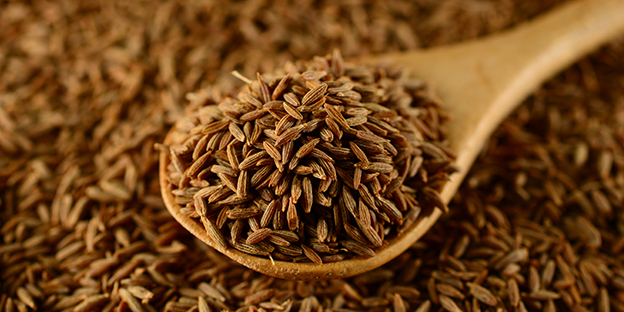
Cumin seeds is a different story altogether. These seeds, also known as jeera, are darker, smaller, and they carry this warm, slightly smoky flavour that's hard to replicate with anything else. They come from Cuminum cyminum, a plant in the same family as fennel but producing something with a completely different character.
In Indian cooking, cumin almost always hits the pan first. It goes into hot oil or ghee before anything else because that quick toast in heat is what unlocks the real depth of its flavour. And beyond the kitchen, cumin is one of the more well-researched spices when it comes to metabolism and blood sugar, which is why you see it showing up in wellness content so often these days.
The Key Differences between Fennel and Cumin Seeds:
| Feature | Fennel Seeds | Cumin Seeds |
| Color | Light green | Brown |
| Flavor | Sweet, anise-like | Earthy, warm, slightly bitter |
| Aroma | Fresh, cool | Smoky, pungent |
| Plant Family | Apiaceae | Apiaceae |
| Common Use | Mouth freshener, teas, and desserts | Curries, tempering, and spice blends |
| Taste Profile | Mild, sweet | Bold, robust |
What Fennel Seeds Actually Do For Your Health?
People underestimate fennel a lot. Fennel seeds are more than just a post-meal refresher. Below are the health benefits of fennel seeds:
- Digestion: The compound that gives fennel its distinctive flavour, called anethole, also happens to relax the smooth muscles in your gut. Less tension in the digestive tract means less gas, less cramping, and less of that uncomfortable bloated feeling after meals. A cup of fennel tea in the evening is one of those simple things that actually works.
- Women's Health: Fennel has mild estrogenic properties, which is why it's been used traditionally for menstrual pain and irregularity. It's not a treatment, but as a supportive daily habit, many women swear by it.
- Antioxidants: Fennel seeds carry flavonoids and polyphenols, which are compounds that help the body handle oxidative stress. Chronic inflammation, premature ageing, and a general sense of sluggishness are a result of oxidative stress.
- Weight Management: Fennel works here mainly as an appetite suppressant. Fennel water, drunk first thing in the morning, can reduce how hungry you feel throughout the day. It's subtle, but over time, that adds up.
What Cumin Seeds Actually Do For Your Health?
Cumin has more clinical research behind it than most people realise. Below are the health benefits of cumin seeds:
- Metabolism:Multiple studies have looked at cumin's effect on metabolic rate, and the findings are fairly consistent and it does appear to support fat burning. This is the main reason cumin water became such a thing in fitness circles.
- Blood Sugar:Cumin improves insulin sensitivity. For anyone managing blood sugar — whether that's prediabetes, Type 2 diabetes, or just trying to avoid the afternoon energy crash.
- Iron:A teaspoon of cumin seeds has a meaningful amount of iron in it. For vegetarians especially, that's worth knowing. Iron deficiency is one of the most common nutritional gaps, and cumin is an easy, everyday way to address it.
- Digestion: Cumin doesn't work the way fennel does here. Instead of relaxing the gut, it triggers enzyme production, and your body starts breaking down food faster and more efficiently. You experience less indigestion and less heaviness after eating.
So Which One Is Actually Better?
Neither, honestly. They're solving different problems.
Fennel helps you cool down, settle your stomach, or manage your appetite. Whereas, cumin supports fat metabolism, stabilises blood sugar, and adds something nutritionally dense to your meals.
The smarter move is just using both. They don't compete, they genuinely fill different gaps.
Simple Ways to Use Both Daily:
- Soak fennel seeds in water overnight. Drink it first thing in the morning on an empty stomach.
- Dry-roast cumin seeds, crush them lightly, and stir into buttermilk or chaas.
- Throw fennel into herbal teas, it pairs well with ginger and tulsi.
- Cumin goes into basically everything savoury dals, rice, roasted vegetables, and yoghurt dips.
Neither seed is expensive, nor does it require any special preparation. The barrier to using them every day is basically zero.
Conclusion:
Fennel seeds and cumin seeds have both earned their place in kitchens and medicine cabinets for thousands of years, and for good reason. While they may look like distant cousins sitting in your spice rack, they bring entirely different strengths to the table.
Incorporating these seeds into your everyday diet requires them to always be free from bacteria, artificial additives, and to come fresh directly from local farms.
Kisan Agro a leading spices exporters in india, obtains all of their fennel and cumin seeds through trusted farmers in India. Each batch of fennel and cumin has been grown in a natural environment, thoroughly processed to eliminate any contaminants, and packed to preserve maximum flavour and nutrition. If you are looking for fennel or cumin seeds contact us now.
FAQs:
1. Are fennel seeds and cumin seeds the same?
No, they are different seeds from different plants. Fennel (saunf) is sweet and anise-flavoured, while cumin (jeera) is earthy and warm. They look similar but taste and function quite differently.
2. What is the main difference between fennel and cumin seeds?
The primary difference lies in flavour and usage. Fennel is sweet and mild, commonly used as a digestive and mouth freshener, while cumin is bold and smoky, widely used in cooking for depth of flavour.
3. Which is better for digestion: fennel seeds or cumin seeds?
Both support digestion, but in different ways. Fennel relaxes the gut muscles to reduce bloating and gas, while cumin stimulates digestive enzyme production to speed up food breakdown.
4. Do fennel seeds and cumin seeds have different nutritional benefits?
Yes, fennel is richer in antioxidants and has mild estrogenic properties, while cumin is notably high in iron and has stronger effects on metabolism and blood sugar regulation.
5. Can fennel seeds and cumin seeds help with weight loss?
Yes, both can support weight loss. Fennel reduces bloating and suppresses appetite, while cumin has been clinically shown to improve metabolism and reduce body fat percentage.
6. What happens if we drink fennel water daily?
Drinking fennel water daily can improve digestion, reduce bloating, support hormonal balance, and act as a gentle detox.
7. Which seed is best for weight loss?
Cumin seeds have stronger clinical backing for direct fat reduction and metabolic improvement, but combining both fennel and cumin in your routine gives the most well-rounded benefit.
