All posts by Viralspices Admin

Psyllium Husk Benefits: Complete Guide to Gut, Heart & Weight Health

Benefits of Psyllium Husk You Must Know

If you’ve ever looked for a natural way to support digestion, manage cholesterol, or keep your blood sugar in check, psyllium husk is one ingredient that shows up again and again. And for good reason. It’s one of the few plant-based fibers backed by decades of nutrition research and real-world results.

This blog breaks down what psyllium husk is, how it works inside the body, and the key benefits of psyllium husk you should know, whether you’re in food manufacturing, nutraceuticals, or simply trying to understand how this fibre fits into daily wellness.

Kisan Agro has been working with high-purity psyllium husk for years, supplying processors who need clean, consistent fibre for functional foods and supplements.

What is Psyllium Husk?

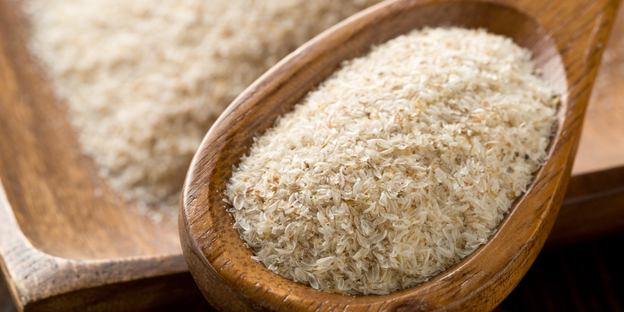
Psyllium husk is a natural, plant-derived soluble fiber made from the outer seed coat of Plantago ovata. When mixed with water, it forms a gel-like mass that travels through the digestive system, absorbing moisture and supporting smooth, regular movement.

If you’re looking for the clearest psyllium husk definition, think of it as a high-fiber, grain-free carbohydrate that swells on contact with water and gently regulates digestion.

How Psyllium Husk Works in the Body?

Here’s the simple version: psyllium absorbs water, expands, and turns into a viscous gel. That gel slows down digestion, traps excess cholesterol, stabilizes blood sugar spikes, and softens stool, all without being digested itself.

Unlike many fibers, psyllium is both soluble and viscous, which is exactly why it performs better than typical cereal fibers in several health applications.

Benefits of Psyllium Husk:

1] Promotes Digestive Function –

This is a well-known benefit of psyllium. The gel psyllium forms add bulk and softness to your stool, making it easier to pass. It is useful for constipation and irregular bowel movements. Many dietitians would rate psyllium higher than wheat bran to help with daily digestion.

2] Helps Lower Cholesterol –

The soluble fiber binds to bile acids, which prevents their reabsorption. Over time, the liver removes cholesterol from the bloodstream to produce more bile, which in turn lowers your LDL levels.

3] Aids in Blood Sugar Regulation –

Because psyllium delays the rate at which food moves through the digestive tract, it also slows the absorption of glucose. People looking for natural blood-sugar stability will often include psyllium in meals or mid-afternoon drinks.

4] Supports Weight Management –

The gel gives you a feeling of fullness, which may naturally reduce your appetite and help you from overeating. It is not stimulant-based; it is just a slow, gentle feeling of fullness.

Read our Comparative Analysis of Psyllium for Weight Loss vs Other Fiber Supplements

5] Promotes Overall Gut Health –

Psyllium acts like a prebiotic, nourishing the good bacteria in the colon. A healthy gut microbiome is directly related to the immune system, regulating mood and long-term digestive comfort.

6] Gentle on the System –

Some fibers cause bloating or discomfort. Psyllium sits on the gentler side of the spectrum when introduced gradually with enough water.

Psyllium Husk vs. Other Fibers:

Most fibers fall into four categories: soluble, insoluble, fermentable, and non-fermentable. Psyllium is unusual because it blends the benefits of each without the drawbacks.

Fiber Type Strengths Drawbacks How It Differs from Psyllium
Psyllium Husk Strong gel formation; great for digestion, cholesterol, and blood sugar Needs adequate water More versatile and gentler than most fibers.
Wheat Bran Good for adding bulk Can feel harsh on the gut Psyllium is smoother and works for a wider range of digestive issues.
Inulin Strong prebiotic effect Often causes gas and bloating Psyllium supports gut health with far less discomfort.
Oat Fiber Helps with cholesterol Lighter gel strength Psyllium forms a thicker gel, so it’s more effective for regularity and glycemic control.
Cellulose Adds bulk easily Minimal metabolic benefits Psyllium provides both bulk and functional health benefits.

Note that:

  • Compared to wheat bran, psyllium is smoother and more effective for regulating bowel movement.
  • Compared to inulin, psyllium is less likely to cause gas or bloating.
  • Compared to oat fiber, psyllium forms a stronger gel, making it more effective for cholesterol management and glycemic control.

How to Take Psyllium Husk Daily?

Mix it with water, smoothies, soup, curd, or add it to baking mixes. Start small, a teaspoon once a day, then gradually increase as required. The only rule is that you should always drink enough water, since psyllium needs hydration to function properly.

Read our full article on tips on incorporating psyllium into your daily diet

Why Food and Supplement Brands Choose Kisan Agro’s Psyllium?

Kisan Agro the high-purity psyllium suppliers with uniform particle size, consistent swelling index, and tight microbial control. Our processes focus on clean sorting, gentle milling, and packaging in moisture-protected bags that preserve the natural functionality of the husk.

For nutraceuticals, functional foods, bakeries, and beverage mixes, we provide bulk supply with batch-wise testing, certification, and product support. If you need custom particle sizes or blends, we help with that, too. That’s why we are leading psyllium husk and powder suppliers, manufacturers and exporters in India.

Looking for premium-grade psyllium husk for supplements, functional foods, or bulk production? Connect with us today for your requirements.

FAQs:

1] Is it good to have psyllium husk every day?

Yes, most people can take it daily as long as it’s paired with enough water.

2] What are the side effects of psyllium husk?

Some may experience mild bloating when starting; introducing it slowly usually prevents this.

3] When is the best time to take psyllium husk?

Anytime, morning or evening, but some people take it before meals to feel full.

4] Who should not take psyllium?

Anyone with difficulty swallowing, bowel obstruction, or a serious medical issue should check with their doctor first.

5] What dosage of psyllium husk is recommended?

Start with 1 tsp once or twice a day, depending on their comfort and hydration.

Types of mustard and their benefits

Types of mustard and their benefits

The mustard plant is from plant species Brassica and Sinapis in the family Brassicaceae (the mustard family). Mustard seed is widely and mainly used as a spice all over the world. Grinding and mixing the seeds with water, vinegar, or other liquids creates the yellow condiment known as prepared mustard. The mustard seeds can also be pressed to make oil out of mustard seeds, while the leaves can be eaten as mustard green or can be used as veggie.

Types of Mustard:

There are several different varieties of mustard– namely yellow mustard, black mustard and brown mustard.

Yellow mustard has yellow coated seeds and are grown in North American condiment industry used to produce yellow mustard condiment, mayonnaise and salad dressings. The seed of yellow mustard is used as binding agent and protein extender in prepared meats.

Brown mustards have reddish brown to dark brown seed coating. Both brown and black mustards are used to create products that are spicier than yellow mustard condiments.

Health Benefits of Mustard:

  1. The tiny mustard seeds are effective against psoriasis a chronic inflammatory autoimmune disorder. Mustard seed has anti-inflammatory agent properties, and is used as part of future psoriasis treatments. The usage of these seeds also stimulate the activities of beneficial enzymes, which encourage healing action against psoriasis-led legions.
  2. Mustard seeds offer therapeutic relief in contact dermatitis, a condition in which the skin develops an itchy rash when it comes in contact with an allergen. Mustard seeds consumption help in healing the symptoms associated with contact dermatitis such as healing of tissues and reduction in ear swelling.
  3. Mustard oil, oil extracted from mustard seeds, is known to be a healthier option than other cooking oils for the heart as there is presence of omega-3 fatty acid content in mustard.
  4. Mustard seeds have been widely used against cold and sinus problems as it has heat generating properties. Mustard helps in clearing the mucus in the air passage.
  5. Mustard have redness producing properties, therefore when applied as a plaster, can exercise analgesic effects and can provide relief from muscle aches. Also mustard plaster has warmer effects that may cause sore blistering if applied directly on the skin.
  6. Mustard products contain antioxidants that protects against infections caused by various kinds of bacteria and fungi.

Mustard products are also used for skin and hair care as mustard seeds are rich in Vitamin A and omega 3 fatty acids.

Organic Products India is a well known manufacturer and exporter of mustard seeds all over the globe. Also we are one of the best suppliers of Organic Brown Linseed, Amaranth seeds, Psyllium seeds, Psyllium husk, Psyllium husk powder, spices etc.

Importance of herbs in daily life

Importance of herbs in daily life

Herbs are an aromatic element with good scents and tastemakers for a variety of meals. Herbs are not only used to prepare dishes, but they are also the source of medical benefits.

Herbs are used to treat and prevent diseases such as heart disease, cancer, and diabetes. Herbs will be grown all over the world. Many individuals will cultivate herbs in their gardens and use them in their everyday lifestyle.

In medical research that herbs can be alternative to medicine, herbal remedies, herbal nutrition, alternative pain relief, is relevant and applicable to many countries, climates and cultures throughout the world.

There are 7 herbs which we should use in our daily life for the healthy lifestyle:-

Ashwagandha:

Ayurveda considers Ashwagandha to be one of the most important herbs. It aids in the improvement of strength as well as the reduction of blood sugar levels. It’s anti-cancer. According to a study, Ashwagandha can inhibit the growth of tumours by 70% to 80%. Ashwagandha also aids in the reduction of stress and anxiety.

Basil Seeds:

Tulsi leaves, or basil seeds, are used to treat colds and fevers. Basil seeds also aid in the reduction of body temperature. Boost immunity and aid in the treatment of bacterial and viral infections, as well as battling and curing a variety of hair and skin conditions – When utilised regularly, a few Tulsi leaves can aid with a variety of health and lifestyle problems.

Marigold and Calendula:

Marigold is one of the most effective sunburn and skin-care cures. Do you know that Marigold can assist with itchiness, sunburn, and other skin conditions? Calendula flower is an herb that can be used to treat allergies, itching, and rashes. Calendula and Marigold are also helpful for stomach issues.

Elderberry:

Elderberry is high in antioxidants and vitamins, which may help to strengthen your immune system. Elderberry, according to some experts, also aids in the prevention and treatment of viral colds and flu.

Garlic:

One of the health benefits of garlic is that it helps to reduce blood pressure. Garlic has a variety of medically established benefits, including aiding in the recovery of colds and flus, as well as lowering blood pressure.

Ginger:

Ginger is a helpful plant that aids in the recovery of throat problems as well as the boosting of metabolism. One of the weight-loss secrets is to consume ginger tea. Consuming ginger on a daily basis can help you lose weight and live a healthier lifestyle.

Lemon grass:

Lemongrass is a healthy and anxiety-relieving herb. Lemongrass has been demonstrated to have anti-cancer effects in one study. It aids in the enhancement of immunity as well as the reduction of worry and stress.

In India is Veerral Agro Tech is one of the trusted companies for herbs and spices. They are Bulk herbs supplier, and they deal with many Organic products and conventional products. They are a well-known brand in the International market.

If you have any enquiry regarding products, you can contact [email protected]. In India, some major spices suppliers are spices exporters. One of them is Veerral Agro Tech. They are a big supplier and also a manufacturer of spices.

Hulled Sesame Seeds

Nutritional Difference Between Hulled Sesame Seeds and Unhulled Sesame Seeds

Intro:

Unlock the nutritional powerhouse of sesame seeds, boasting essential minerals for optimal health. Explore the distinctions between hulled and unhulled varieties, each offering unique benefits.

Key Takeaways:

1] Sesame seeds are rich in essential minerals like iron, manganese, and calcium, offering numerous health benefits.

2] Hulled sesame seeds and unhulled sesame seeds differ in appearance and nutritional content, with unhulled seeds containing more iron and calcium.

Sesame seeds are exceptionally nutritious, having indispensable minerals, such as iron, manganese, calcium, and natural preservatives like sesamolin and sesamin. These supplements cooperate to give ideal nourishment to our body.

Instances of such advantages are repair of body tissues, amplification of skin glow, improvement of healthy and strong bones, a decrease of cholesterol levels, and decrease of circulatory strain, to specify but a few. Sesame seeds grow from a blooming plant, referred to logically as Sesamumindicum, that is regularly found in Asia and Africa.

Besides nutritional content, there are other differences between hulled and unhulled sesame seeds. Below are the differences based on their physical appearance and nutritional benefits.

Physical Appearance:

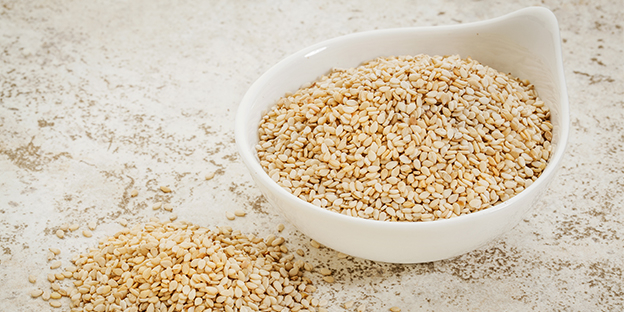
The presence and absence of a hull or husk illustrates a clear idea between hulled sesame seeds and unhulled sesame seeds. Hulled sesame seeds are those that have lost their hull or outer shell during the manufacturing or processing stage. Unhulled sesame seeds are those which have their shell/hull present even after the processing is complete. The hull gives the sesame a brilliant earthy brown colour tone. They also become brown during the roasting process.

Presence of Iron and Calcium:

The presence of iron and calcium differs in both hulled sesame seeds vs unhulled sesame seeds. As a matter of fact, unhulled sesame seeds contain more iron and calcium compared to hulled sesame seeds. A teaspoon of unhulled sesame seeds contains 1.3 mg of iron and 88 mg of calcium whereas hulled sesame contains 0.7 mg of iron and 11 mg of calcium. Calcium helps in building healthy and strong bones. Iron helps in rebuilding haemoglobin, a protein in red blood cells that carries oxygen from the lungs to all parts of the body. Hence, unhulled sesame seeds have better content of calcium and iron.

Dietary Fibre:

Regardless of whether their hulls have been taken out or stay unblemished, sesame seeds are a good source of dietary fibre. Sesame seeds are a fairly better source of insoluble fibre in light of the fact that their hull contains bran but hulled sesame seeds actually convey about a similar measure of all out dietary fibre. Entire dried sesame seeds and uncovered dried portions each gives a little more than 3 grams of dietary fibre per 1-ounce serving.

At Kisan Agro, as experienced spices exporters in India, we source both hulled and unhulled sesame seeds so you can choose between the smoother texture of hulled seeds or the higher mineral content of the unhulled variety.

Veerral Agro Tech is one of the leading sesame exporters which cater to more than 50+ countries world wide. We supply all varieties of sesame such as Natural Sesame Seeds, Hulled Sesame Seeds, Black Sesame seeds and roasted sesame seeds. Besides sesame, we are also one of the top suppliers of Organic Linseed, Amaranth seeds, Psyllium seeds, Psyllium husk, Psyllium husk powder etc.

FAQ:

1] What are the differences between hulled sesame seeds and unhulled sesame seeds?

Hulled sesame seeds have their outer shell removed, while unhulled seeds retain their shell. Unhulled seeds contain more iron and calcium, making them a better source of these essential minerals.

Fennel vs Cumin Seeds Difference

Fennel Seeds Vs Cumin Seeds – A Brief Analysis

Most people have both sitting in their kitchen right now, fennel seeds and cumin seeds. Two small, oval-shaped spices that somehow always end up next to each other, yet couldn't be more different once you actually pay attention to them.

Same family. Completely different personality.

If you've been using them interchangeably, or you're just trying to figure out which one is actually worth adding to your daily health routine, here's everything you need to know.

What Are Fennel Seeds?

Fennel seeds come from a plant called Foeniculum vulgare, a Mediterranean herb that's been grown and eaten for thousands of years. The seeds are light green, a little elongated, and the moment you chew one, that sweet, almost liquorice-like taste is unmistakable.

In India, you'll find a small bowl of fennel seeds (saunf) near the exit of most restaurants. It's a mouth freshener, but that habit actually has roots in Ayurvedic practice, where fennel was used to settle the stomach after a heavy meal, reduce heat in the body, and ease bloating. It wasn't just tradition for the sake of tradition.

What Are Cumin Seeds?

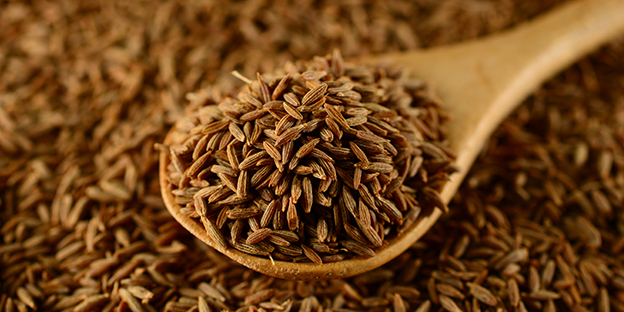
Cumin seeds is a different story altogether. These seeds, also known as jeera, are darker, smaller, and they carry this warm, slightly smoky flavour that's hard to replicate with anything else. They come from Cuminum cyminum, a plant in the same family as fennel but producing something with a completely different character.

In Indian cooking, cumin almost always hits the pan first. It goes into hot oil or ghee before anything else because that quick toast in heat is what unlocks the real depth of its flavour. And beyond the kitchen, cumin is one of the more well-researched spices when it comes to metabolism and blood sugar, which is why you see it showing up in wellness content so often these days.

The Key Differences between Fennel and Cumin Seeds:

Feature Fennel Seeds Cumin Seeds
Color Light green Brown
Flavor Sweet, anise-like Earthy, warm, slightly bitter
Aroma Fresh, cool Smoky, pungent
Plant Family Apiaceae Apiaceae
Common Use Mouth freshener, teas, and desserts Curries, tempering, and spice blends
Taste Profile Mild, sweet Bold, robust

What Fennel Seeds Actually Do For Your Health?

People underestimate fennel a lot. Fennel seeds are more than just a post-meal refresher. Below are the health benefits of fennel seeds:

  • Digestion: The compound that gives fennel its distinctive flavour, called anethole, also happens to relax the smooth muscles in your gut. Less tension in the digestive tract means less gas, less cramping, and less of that uncomfortable bloated feeling after meals. A cup of fennel tea in the evening is one of those simple things that actually works.
  • Women's Health: Fennel has mild estrogenic properties, which is why it's been used traditionally for menstrual pain and irregularity. It's not a treatment, but as a supportive daily habit, many women swear by it.
  • Antioxidants: Fennel seeds carry flavonoids and polyphenols, which are compounds that help the body handle oxidative stress. Chronic inflammation, premature ageing, and a general sense of sluggishness are a result of oxidative stress.
  • Weight Management: Fennel works here mainly as an appetite suppressant. Fennel water, drunk first thing in the morning, can reduce how hungry you feel throughout the day. It's subtle, but over time, that adds up.

What Cumin Seeds Actually Do For Your Health?

Cumin has more clinical research behind it than most people realise. Below are the health benefits of cumin seeds:

  • Metabolism:Multiple studies have looked at cumin's effect on metabolic rate, and the findings are fairly consistent and it does appear to support fat burning. This is the main reason cumin water became such a thing in fitness circles.
  • Blood Sugar:Cumin improves insulin sensitivity. For anyone managing blood sugar — whether that's prediabetes, Type 2 diabetes, or just trying to avoid the afternoon energy crash.
  • Iron:A teaspoon of cumin seeds has a meaningful amount of iron in it. For vegetarians especially, that's worth knowing. Iron deficiency is one of the most common nutritional gaps, and cumin is an easy, everyday way to address it.
  • Digestion: Cumin doesn't work the way fennel does here. Instead of relaxing the gut, it triggers enzyme production, and your body starts breaking down food faster and more efficiently. You experience less indigestion and less heaviness after eating.

So Which One Is Actually Better?

Neither, honestly. They're solving different problems.

Fennel helps you cool down, settle your stomach, or manage your appetite. Whereas, cumin supports fat metabolism, stabilises blood sugar, and adds something nutritionally dense to your meals.

The smarter move is just using both. They don't compete, they genuinely fill different gaps.

Simple Ways to Use Both Daily:

  • Soak fennel seeds in water overnight. Drink it first thing in the morning on an empty stomach.
  • Dry-roast cumin seeds, crush them lightly, and stir into buttermilk or chaas.
  • Throw fennel into herbal teas, it pairs well with ginger and tulsi.
  • Cumin goes into basically everything savoury dals, rice, roasted vegetables, and yoghurt dips.

Neither seed is expensive, nor does it require any special preparation. The barrier to using them every day is basically zero.

Conclusion:

Fennel seeds and cumin seeds have both earned their place in kitchens and medicine cabinets for thousands of years, and for good reason. While they may look like distant cousins sitting in your spice rack, they bring entirely different strengths to the table.

Incorporating these seeds into your everyday diet requires them to always be free from bacteria, artificial additives, and to come fresh directly from local farms.

Kisan Agro a leading spices exporters in india, obtains all of their fennel and cumin seeds through trusted farmers in India. Each batch of fennel and cumin has been grown in a natural environment, thoroughly processed to eliminate any contaminants, and packed to preserve maximum flavour and nutrition. If you are looking for fennel or cumin seeds contact us now.

FAQs:

1. Are fennel seeds and cumin seeds the same?

No, they are different seeds from different plants. Fennel (saunf) is sweet and anise-flavoured, while cumin (jeera) is earthy and warm. They look similar but taste and function quite differently.

2. What is the main difference between fennel and cumin seeds?

The primary difference lies in flavour and usage. Fennel is sweet and mild, commonly used as a digestive and mouth freshener, while cumin is bold and smoky, widely used in cooking for depth of flavour.

3. Which is better for digestion: fennel seeds or cumin seeds?

Both support digestion, but in different ways. Fennel relaxes the gut muscles to reduce bloating and gas, while cumin stimulates digestive enzyme production to speed up food breakdown.

4. Do fennel seeds and cumin seeds have different nutritional benefits?

Yes, fennel is richer in antioxidants and has mild estrogenic properties, while cumin is notably high in iron and has stronger effects on metabolism and blood sugar regulation.

5. Can fennel seeds and cumin seeds help with weight loss?

Yes, both can support weight loss. Fennel reduces bloating and suppresses appetite, while cumin has been clinically shown to improve metabolism and reduce body fat percentage.

6. What happens if we drink fennel water daily?

Drinking fennel water daily can improve digestion, reduce bloating, support hormonal balance, and act as a gentle detox.

7. Which seed is best for weight loss?

Cumin seeds have stronger clinical backing for direct fat reduction and metabolic improvement, but combining both fennel and cumin in your routine gives the most well-rounded benefit.

Lentils exporters India | Lentils exporters USA | Organic Products India | Viral Spices

Everything you need to know about Lentils

The lentil is an edible legume. They are tiny beans, grown in pods. They come in red, yellow, brown, black, and green varieties. Lentils are quick and easy to prepare with high levels of protein and fiber.Lentils are the foods which are lower in calories and higher in proteins. Lentils are extremely healthy for vegetarians as they are high source of Iron and rich in magnesium, potassium, zinc and Vitamin B. Lentils are eco-friendly and economical.

Types of Lentils:

Given below are the types of lentils:

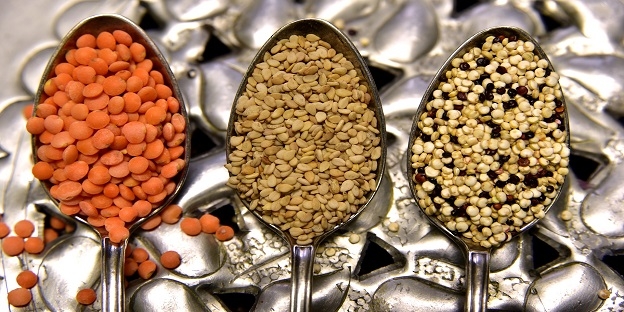
  1. Brown Lentil :

Brown lentils are the most common variety of lentils consumed globally. This type of variety can range in colour from khaki brown to dark black. These lentils have mild, earthy flavour. These lentils are widely used in salads, casseroles, soups, stews, veggie burgers or vegetarian meatloaf.

  1. Green Lentil:

Green lentils and brown lentils are quite similar. Green lentils have a more robust and slightly peppery flavouras compared to brown lentils. Green lentils can vary in colour from a pale or spotted green to a green-slate colour with hints of blue and black. With the strong flavour, green lentils are ideal for salads or side dishes and equally nourishing.

  1. Red Lentil:

Red lentils are the lentils which can be identified easily. These lentils are generally used in Indian dals. Red lentils taste is exquisite when served with rice. Orange colour lentils also come under red lentils only.

  1. Yellow Lentils:

Yellow lentils are similar to red lentils. These lentils are very nutritious and has sweetest aroma. These lentils are nutty, soft and sweet.

  1. Black Lentils:

Black lentils are dark in colour. These lentils are also known as Beluga lentils because they resemble beluga caviar. These lentils are different from all other lentils. These are most flavourful lentils with distinguishing characteristic.

Benefits of Lentils:

1 – Fight against cancer

2 – Helps in managing blood sugar levels

3 – Reducing Weight

4 – Digestion improvement

5 – Maintaining good heart health

6 – Provides abundance of iron

7 – Reduces risk of chronic diseases

8 – Good protein source

Veerral Agro Tech and Organic Products India is one of the biggest lentil exporters of organic and conventional lentils product in India. They are also known to be trusted pulses exporters and manufacturers  in India.

Organic Farming | Organic Products India | Veeral Agrotech | Viral Spices

Exploring All about Organic Farming

As more and more people started to realize the importance preserving nature and role of natural food in their lives, organic farming came to the forefront. Despite high prices, today consumer’s choices are skewed towards products labeled as organic. Owing to the growing demands for naturally grown products in domestic as well as overseas market, the organic products manufacturers in India have stepped up their production and are successfully catering to a large section of the people across the globe.

Understanding the concept of organic farming

The core theory behind organic farming is to promote natural and sustainable farm management practice. It is the form of agricultural farming that advocates the philosophy of working with nature. It aims to create a socially, environmentally, and economically sustainable food production system that benefits all.

The fundamental idea behind organic farming is to produce nutritional food without causing any harm to the nature.  Organic producers use natural processes and materials (shun away external farming inputs, such as pesticides, artificial fertilizers, additives, and genetically modified organisms). These contribute to soil fertility, crop nutrition, and pest and weed management and conservation of biological diversity.  It helps maintain a harmonious balance in the environment keeping it productive and flourishing.

Organic farming usually involves traditional methods of farming along with practice of the some modern techniques based on scientific researches. The central objective is to yield quality produce with minimal waste and damage to nature.

Key principles of organic farming

Organic farming practice calls for adoption of certain regulations and principles. Usually there are some common principles followed in most of the countries. These include:

  • Principle of health: This aims at promoting farming practice that protects and enhances the health of all organisms which includes not only humans but also soil microorganisms.
  • Principle of ecology: According to this, the organic farming should preserve and benefit the environment (landscape, climate, natural habitats, biodiversity, air, water, and soil) through using environment-friendly techniques.
  • Principle of fairness: This recommends being genuine and respectful towards all involved in the business: farmers, suppliers, traders and consumers. It focuses on proper working and living conditions of the workers and adequate supply of quality products to the consumers.
  • Principle of care: This stresses on observing necessary precautions to achieve right balance for the future needs. It encourages utilizing resources responsibly, keeping in mind the upcoming generations and nature’s requirements.

Organic Farming practices

Be it mustard manufacturers or turmeric producers, people involved in organic farming, rely on a set of tools and practices. However, each farm operation employs its own combination of tools and practices to build a working organic system. Following is the list of primary organic crop production practices.

  • Crop rotation: This means using the same land for growing different crops in recurrent succession. It prevents soil erosion and maintains soil fertility.
  • Cover crop and green manures: These are primarily grown not for the purpose of sale but to create conditions that are beneficial for the production of subsequent crops. They protect otherwise bare soil against erosion and contribute towards improving the soil quality.
  • Manuring and composting: Manure and compost supply numerous nutrients for crop production, including micronutrients and are also valuable sources of organic matter.
  • Integrated weed management: This is achieved through processes like manual weeding, mulching, crop rotation and haymaking and more.
  • Integrated pest management: It prohibits using heavy chemicals, instead relies on biological pest control. It advocates use of one or more beneficial organisms, usually called natural enemies, to eliminate the existence of another type of organism, the pest.

Besides, the organic farming practices also encompass anaerobic soil disinfestations, buffers and barriers, mechanical soil cultivation, recycling materials and utilizing renewable resources.

All in all, organic farming echoes with sustainable agriculture system that yields improved soil quality, reduced pollution, nutritional products and enhanced ecosystem bio diversity

There can be no denying that organic farming offers multitudes of benefits to humans and the nature. This is the reason why this sector gets special recognition by the governments too. However, it’s not an easy job and hence, there’s need to open more possibilities for organic farming to flourish.

About Organic Products India:

It is one of the reputed manufactures and suppliers of organic products.  A subsidiary of globally acclaimed Veeral Agro Tech Group, the organization has anchored a benchmark in the organic farming produce. All the processes are GMP certified & a step by step approach is adopted towards providing the best quality products to the customers. A trusted name in the circle of organic products manufacturers and bulk herb suppliers, the Organic Products India is significantly impacting the organic products sector and winning accolades across the global market.

Organic Black Cumin | Mustard Manufacturers and Bulk Herb Suppliers | Viral Spices

Why opt for organic food amidst Covid-19?

Organic Food is produced using natural way, i.e. without using any synthetic chemicals or processing. This way, organic food is much safer for consumption. Organic foods and products have been around for decades. Organic food has exploded In popularity in the last decades due to it’s safe producing process. Many people believe that organic food is much safer, tastier and has much more nutrient content compared to conventional food. Organic food processing and farming also helps the environment and the well-being of animals. In order to label a food or ingredient organic, It should be free from all pesticides, synthetic or chemical fertilizers. Organic food or crops are grown using natural fertilizers and pesticides which do not harm human and animal consumption.

As you might be aware organic foods has been around for decades, but the recent pandemic of COVID 19 has made people more conscious towards their health and the nutrition they are consuming. As COVID 19 has taught us to take care of our health, many people are not only focusing on how fresh the product is but also the way the food is produced.

Why is Organic Food better than Conventional Food?

In simple terms organic food is produced naturally. As explained earlier no synthetic chemicals, fertilizers or pesticides are used while producing organic foods compared to conventional. Thus, eliminating any possibility of consumption of harmful and carcinogenic chemicals used while producing conventional foods. Not only the organic way produces chemical free foods but also, helps in making the food much tastier, nutritious compared to conventional way, while being sustainable and environment friendly. Many organic foods are responsible for boosting immunity which is one of the most important things fighting COVID 19.

Below are some of Organic Foods which help boosting immunity.

Turmeric

Turmeric has been around for centuries and is mentioned in various ayurvedic scripts for its medicinal properties. Turmeric contains a bioactive compound called curcumin which has multiple benefits along with boosting immunity. Turmeric has antioxidant and antimicrobial properties, and comes in several forms with the most common being Turmeric Powder which are used in cooking foods, teas or as an organic supplement.

Black Cumin Seeds 

Black Cumin Seeds have been produced and used as a medicine for many centuries; in fact it was even discovered in the Tomb of King Tut. Organic Black Cumin has been used to treat headaches, toothaches, nasal congestion, etc. Black cumin helps in boosting immunity as well.

Ashwagandha

Ashwagandha is one herb which is heavily backed by Ayurveda; this ancient medicinal herb is known for its rejuvenation properties and is also known to give the stamina of a horse. Ashwagandha is properly known as Indian Winter Cherry or Indian Ginseng. This herb comes with multiple health benefits. Ashwagandha is an adaptogen and its anti-stress properties help the body’s ability to respond and adapt to physical, emotional and environmental stress.

Organic Products India & Veerral Agro Tech is one of the biggest organic products manufacturers in India. They are one of the leading mustard manufacturers and bulk herb suppliers.

sesame suppliers | sesame exporters | Organic Products India

5 Reasons to Include Sesame Seed or Til in Your Diet

Nowadays Health care and beauty care are essential things in our lifestyle. Having a good source of fibre and good nutrition is something we need in our daily meals to keep us healthy and warm. In which one of the secretes sources is consuming sesame seeds til in our daily meal. It will help to reduce blood pressure, heart problems and reduce the risk of cancer diseases.

Do you aware that Sesame seeds(til )have been medically proven that it contains an anti-inflammatory property that will helps to recur radical damage, reduce swelling, redness and reduce anti-ageing skin problem.

Do you know India is one of the biggest production countries in the world? According to APEDA (The Agricultural and Processed Food Products Export Development Authority), India contribution towards sesame exporters in the world is 18.8% in 2006-2007. In the Indian market, sesame seeds are export around thousand tons worldwide.

There are three varieties of sesame seeds which are having full of nutrition’s values.

1- Hulled sesame seed

2- Natural sesame seeds

3- Black sesame seeds

5 interesting reasons why we should consider sesame seeds or til in our diet plan:

1- Healthy and happy Digestion:

Getting good immunity and Boosting the digestive system is one of the signs of a healthy lifestyle. Black Sesame seeds can help to cure digestive problems. A Black sesame content high fibre and unsaturated fatty acid content. It will help to ease bowel movements.

2-Boost immunity:

Sesame seeds til contain good fat it will help to improve immunity and helps to boost energy levels. It also contents some nutrition’s such as fibre, iron, calcium and omega-3. It be will keep us full energized and keep us healthy.

3-Nourish and charm Skincare: 

Consuming sesame or using sesame oil will help to nourish your skin and improves your anti-ageing problems. Applying sesame seeds will keep your skin shining and moisturise your skin. On a winter day, it will be beneficial to keep your skin smooth and improves skin damages from dryness and dullness. Do you know Sesame seed oil also use for sunburn to protect our skin.

4- Precious for health nourishment:

Having a hair fall issue and facing problems with dry scalp and dandruff. Sesame until oil can help to recover you from this problem. It content fatty omega acid and minerals, Vitamin E, B complex to help o nourish hair and more shiner.

5- It controls blood pressure and hypertension:

Consuming sesame seeds in our daily lifestyle will help us to be physically fit also mentally fit. Having sesame seeds can help you control your blood pressure and help to overcome hypertension. It includes magnesium and antioxidant. It will help to reduce blood pressure and control hypertension problems.

Organic product India is one of the trusted companies for bulk Herbs suppliers. They export a large number of sesame suppliers with a high-quality products. They are leading organic products manufactures in India. With the promising nature and trusted company, they are exporting Indian Products to around 60+ biggest companies worldwide.

If you have any enquiry regarding products you can contact to [email protected].

Pulses | Pupulses exporters in India | pulses manufacturers in India | Organic Products India

4 Amazing Health Benefits of Dals and Pulses

Dal is the term originating in the Indian subcontinent for dried, split pulses. India is the one of the largest producer of pulses in the world. Indian cuisine’s main essence is the way in which integration of dals and pulses is done with spices. Desserts, stews, curries, soups, snacks and many other varieties of things can be made with different varieties of pulses and dals. India is one of the major exporters of pulses and dals. Organic Product

Health benefits of Dals and Pulses:

Pulses and Dals are the great source of nutrients like protein, fibre, calcium etc. Their intake in daily diet helps in leading the fit and healthy life. There are various health benefits of Dals and Pulses.

  1. Good For Heart

Dals and pulses are among the healthiest foods you as pulses are high in fiber. Also these foods are very nutritious. They are known to minimize the cholesterol level in the body and thus help to improve the heart health. Including such food in diet can prevent cholesterol based heart diseases and reduce the risk of heart attack. Also, there is high amount of potassium and low amount of sodium in some of the pulses and dals which aid in regulating blood pressure.

  1. Best source of nourishment

There is abundance of vitamins and minerals in pulses and dals if they are counted together. The varied yet important set of nutrients that these sub-groups carry fulfills a major part of ones balanced diet. Pulses are the greatest source of fiber, calcium, potassium and folate. Dals are also rich in protein, iron, vitamin B, magnesium and zinc. All the nutrients in dals and pulses are required daily by the body for its proper functioning and maintaining good health.

  1. Minimize the risk of diseases

Pulses and dals have extensive and rich nutrient profile which translates that they have numerous health benefits to offer. While many of these pulses and dals have low-glycemic index which means that they don’t cause a spike in blood sugar levels after meals which lowers the risk of diabetics. Regular consumption of these types of food can help in controlling blood sugar in diabetic patients. Dals are high in antioxidants which helps to fight off free radicals and keep the immune system strong to prevent several diseases. As they are high in fiber, they help to keep digestive tract clear.

  1. High in protein which helps in growing stages

Regular consumption of dals and pulses is a great way to intake good nutrients like protein and calcium. Vegetarians can substitute seafood and animal products in terms of nutrients. A nutritious diet is very important in growing stages. Children and adolescents need a balanced diet so that they get required energy and their body and mind can develop properly.

Veerral Agro Tech are organic and conventional oil seed, spices and pulses manufacturers in India. They supply organic as well as conventional pulses and dals all over the world. They are also known to be one of the leading bulk herb suppliers. Organic Products India and Veerral Agro Tech are the leading pulses exporters in India and dals in India since many years.